Thyroid Health in Women: Symptoms, Testing and Treatment Options
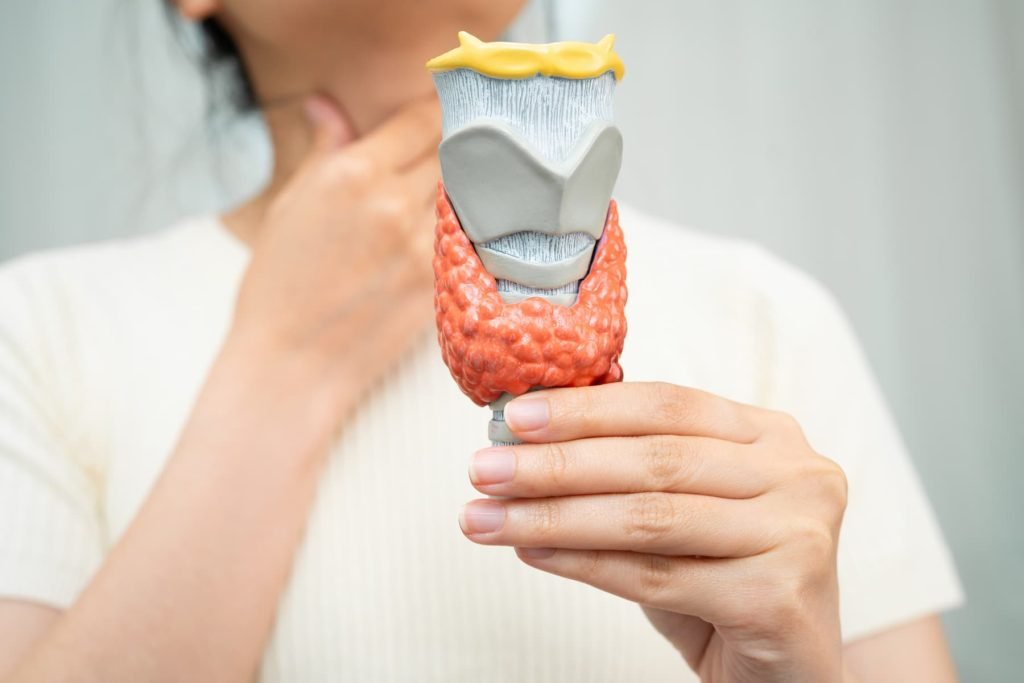
Thyroid health in women is particularly important because underactive and overactive thyroid conditions are much more common in females, especially between the ages 30 and 50. These hormonal imbalances can cause fatigue, weight gain, hair loss, irregular menstrual cycles and low mood, often mistaken for stress or ageing. Simple blood tests like TSH screening and appropriate treatment can restore hormone balance and significantly improve quality of life.
The thyroid gland produces hormones that regulate metabolism, energy, temperature and reproductive health. This information draws on general medical knowledge and common patterns of thyroid disorders.
Individual cases vary widely, always consult your GP for personalised assessment, testing and treatment recommendations before making health changes.
Contributing factors:
- Autoimmune conditions like Hashimoto’s thyroiditis (underactive) and Graves’ disease (overactive) are far more common in women.
- Pregnancy and postpartum changes can trigger thyroiditis.
- Perimenopause hormone fluctuations often unmask underlying thyroid issues.
- Family history increases the risk significantly.
- In Australia, thyroid disorders affect about 1 in 20 people, with women making up 80% of cases.
Important disclaimer: This guide provides general educational information only. Thyroid symptoms overlap with many conditions. See your GP promptly for blood tests (TSH, T4, antibodies) and a professional diagnosis.
Self-treatment can worsen health outcomes.
Underactive Thyroid (Hypothyroidism) Symptoms
Hypothyroidism occurs when the thyroid doesn’t produce enough hormones. Symptoms develop gradually and can be subtle at first:
- Persistent fatigue and low energy, even after adequate sleep.
- Unexplained weight gain.
- Dry or puffy skin, brittle nails and thinning hair.
- Feeling unusually cold, especially in the hands and feet.
- Constipation and slow digestion.
- Depression, brain fog or difficulty concentrating.
- Heavy, irregular or prolonged menstrual periods.
- Muscle aches, joint pain or weakness.
Many women aged 30-50 attribute these to busy lifestyles or motherhood, delaying diagnosis.
Overactive Thyroid (Hyperthyroidism) Symptoms
Hyperthyroidism means excess thyroid hormone production. Symptoms tend to appear more suddenly:
- Unexpected weight loss despite normal or increased appetite.
- Rapid or irregular heartbeat (palpitations).
- Increased anxiety, irritability or nervousness.
- Feeling too warm or excessive sweating.
- Frequent loose bowel movements.
- Lighter, shorter menstrual periods or missed cycles.
- Fine, thinning hair and warm, dry skin.
- Trembling hands or shaky feeling.
Symptom Comparison Table
Symptom Category | Hypothyroidism | Hyperthyroidism |
Weight | Slow gain (2-5kg or more) | Unexplained weight loss |
Energy/Mood | Fatigue, depression | Anxiety, restlessness |
Temperature | Cold intolerance | Heat intolerance |
Hair/Skin | Dry, thinning hair | Fine hair, moist skin |
Menstrual | Heavy, irregular | Light, infrequent |
Digestion | Constipation | Diarrhea |
Heart | Slow pulse | Rapid heartbeat |
Risk Factors Specific to Women 30-50
This age group faces unique triggers:
- Postpartum thyroiditis affects 5-8% after childbirth.
- Perimenopause (late 30s-50s) hormone shifts.
- Autoimmune predisposition peaks in reproductive years.
- Stress from career/family suppresses thyroid function.
- Iodine deficiency (less common but possible).
- Family history (mother/sister with thyroid disease).
Thyroid Testing Process
The TSH blood test is the gold standard screening tool:
- High TSH (>4.5 mIU/L) = underactive thyroid.
- Low TSH (<0.4 mIU/L) = overactive thyroid.
- Normal TSH with symptoms = further testing needed.
Additional tests:
- Free T4/T3: Active thyroid hormone levels.
- Thyroid antibodies: Confirm autoimmune cause (90% of cases).
- Ultrasound: Checks thyroid size/nodules.
- Pregnancy hCG test: Can affect thyroid readings.
Testing requires fasting for accuracy. Results typically available within 24-48 hours.
Treatment Approaches
Hypothyroidism Treatment
- Levothyroxine (thyroxine replacement) daily tablet.
- Starting dose: 50-100mcg, adjusted every 6 weeks.
- 80-90% feel improvement within 4-6 weeks.
- Lifelong treatment for most autoimmune cases.
- Annual TSH monitoring once stable.
Hyperthyroidism Treatment
- Antithyroid drugs
- Beta-blockers for symptom relief (heart rate, tremors).
- Definitive options: Radioactive iodine or surgery.
Lifestyle Support for Thyroid Health
Diet recommendations:
- Iodine: Seafood, iodised salt, seaweed (150mcg daily).
- Selenium: 2-3 Brazil nuts daily.
- Zinc: Lean meats, pumpkin seeds.
- Limit raw goitrogens: Soy, cruciferous vegetables (cook them).
Other factors:
- 7-9 hours of sleep nightly.
- Stress reduction (meditation, yoga).
- Regular exercises(walking, resistance training).
- Check gluten/dairy intolerances, if autoimmune confirmed.
When Women Should Get Tested
Urgent testing needed if:
- Unexplained weight changes >5kg.
- Severe fatigue affecting work/family.
- Palpitations + weight loss.
- Goitre (swollen thyroid).
- Family history + new symptoms.
Routine screening recommended:
- Age 35+ with risk factors.
- 6 weeks postpartum.
- Perimenopause symptoms.
- Infertility workup.
Long-Term Thyroid Management
Ongoing care:
- TSH testing every 6-12 months.
- Pregnancy requires more frequent monitoring.
- Menopause/hormone therapy may need dose changes.
- Symptom diary helps catch issues early.
Red flags for dose adjustment:
- Returning fatigue/weight gain.
- Heart palpitations.
- Hair loss is resuming.
When to Book an Appointment:
Thyroid disorders don’t need to control your energy, weight or wellbeing. Metropol Doctors in Carindale offers comprehensive thyroid screening, TSH testing, medication management and lifestyle guidance tailored for women.
Book now: Call (07) 3343 0000 or book online.
Opening Hours:
Tuesday, Wednesday & Friday: 8:30 AM – 5:00 PM
Monday, Thursday: 8:30 AM – 7:00 PM
Saturday: 9:00 AM – 12:00 PM