Endometriosis Symptoms: When Period Pain May Need Medical Investigation
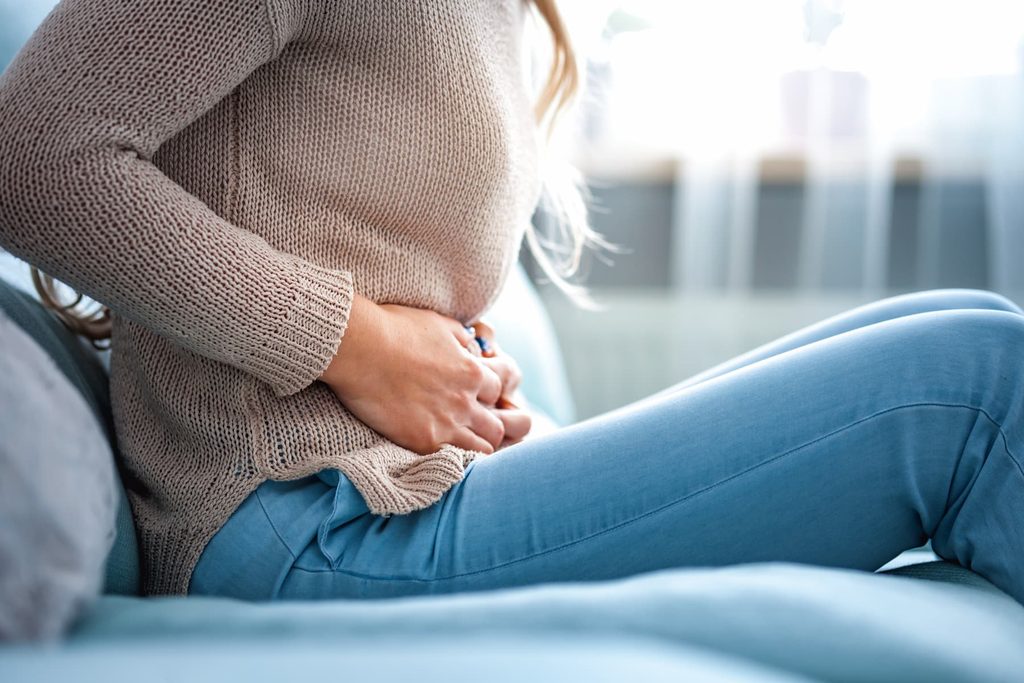
Period pain is common, but severe or persistent pain that affects your daily life should not be dismissed as normal. Endometriosis is a chronic condition that can cause pelvic pain, heavy periods, bowel or bladder symptoms and difficulty becoming pregnant.
If you are concerned about endometriosis, a GP at Metropol Doctors in Carindale can assess your symptoms and discuss suitable treatment or referral options.
What Is Endometriosis?
Endometriosis occurs when tissue similar to the lining of the uterus grows outside the uterus. This tissue can cause inflammation, scarring and pain, particularly around the menstrual cycle.
Endometriosis most often affects areas within the pelvis, including the ovaries, fallopian tubes and tissues around the uterus. Symptoms vary significantly. Some people have severe symptoms, while others may have minimal symptoms or none at all.
Is Severe Period Pain Normal?
Mild to moderate period discomfort may be common, but pain should not prevent you from attending school, going to work, exercising or participating in normal activities.
Speak with your GP if:
- Period pain is severe or worsening.
- Pain relief does not provide enough relief.
- You need bed rest during your period.
- Pain affects work, study, relationships or daily activities.
- You experience pelvic pain between periods.
- Your symptoms are becoming more frequent or difficult to manage.
Pain that significantly affects quality of life is a reason to investigate possible endometriosis or other medical conditions.
Common Symptoms of Endometriosis
Endometriosis symptoms can include:
- Severe period pain.
- Ongoing pelvic or abdominal pain.
- Pain during or after sex.
- Pain during ovulation.
- Heavy or prolonged periods.
- Bleeding between periods.
- Pain when passing a bowel motion.
- Diarrhoea, constipation or bloating that changes with your cycle.
- Pain when urinating.
- Blood in the urine or bowel motion, particularly around your period.
- Lower-back, thigh or leg pain.
- Tiredness.
- Difficulty becoming pregnant.
You may have only one or two symptoms, and symptoms may change over time. The severity of pain does not always reflect the extent of the condition.aihw.gov+1
When Should You See a GP?
Make an appointment with your GP if period pain or pelvic symptoms affect your quality of life.
It is particularly important to seek medical advice if you have any of the above symptoms or if you are concerned about a family history of endometriosis.
Other conditions, including ovarian cysts, adenomyosis, fibroids, pelvic infection and bowel or bladder problems, can cause similar symptoms. A medical assessment can help determine the next step.
How Is Endometriosis Investigated?
Your GP may ask about:
- A detailed history of your period cycle and bleeding pattern.
- The location, timing and severity of pain.
- Symptoms related to sex, bowel movements or urination.
- Previous treatments and their effectiveness.
- Pregnancy plans and fertility concerns.
- Family history and past medical conditions.
Keeping a symptom diary can be useful. Record your symptoms alongside your menstrual cycle, including pain severity, bleeding, bowel or bladder changes and the effect on daily activities.
Your GP may recommend an examination, blood tests or pelvic imaging, such as an ultrasound, depending on your symptoms. If symptoms are severe, persistent or do not improve with initial treatment, your GP may refer you to a gynaecologist.
Can Endometriosis Be Diagnosed Without Surgery?
Endometriosis can sometimes be suspected and managed based on symptoms, examination and imaging. A normal scan does not always rule out endometriosis.
In some cases, a specialist may discuss laparoscopy, a surgical procedure used to examine the pelvis and assess or treat endometriosis. Your GP or gynaecologist can explain whether further investigation is appropriate for you.
Treatment Options for Endometriosis
Treatment depends on your symptoms, medical history, treatment preferences and plans for pregnancy. Options may include:
- Pain-relief medicines.
- Hormonal treatments to reduce or control menstrual symptoms.
- Contraceptive medicines, where appropriate.
- An intrauterine device or other hormonal options.
- Physiotherapy for pelvic pain.
- Lifestyle and self-management support.
- Specialist care or surgery in selected cases.
- Fertility advice or referral when required.
Treatment aims to reduce pain, improve daily function and support your reproductive and emotional wellbeing. No single treatment works for everyone.
Managing Symptoms at Home
While waiting for an appointment, you may find it helpful to:
- Track your symptoms and menstrual cycle.
- Use heat on the lower abdomen or back.
- Maintain gentle movement if comfortable.
- Prioritise sleep and rest.
- Follow the instructions for any prescribed medicine.
- Avoid taking medicines more often than recommended.
- Note any bowel, bladder or fertility concerns to discuss with your GP. ● Keep active and exercise regularly
- Maintain a healthy weight
If symptoms suddenly become severe, seek urgent medical care.
Endometriosis Care at Metropol Doctors
Metropol Doctors provides women’s health care for people experiencing period pain, pelvic symptoms and fertility concerns. Your GP can assist with:
- Initial symptom assessment.
- Menstrual and pelvic health reviews.
- Investigation of heavy or irregular bleeding.
- Pain-management discussions.
- Contraception and hormonal treatment advice.
- Fertility planning.
- Pelvic physiotherapy referral where appropriate.
- Referral to a gynaecologist or other specialist.
You don’t need to wait until symptoms become unbearable to seek help.
Book an Endometriosis Assessment in Carindale
If period pain affects your daily life or you have symptoms that may indicate endometriosis, book an appointment with a GP at Metropol Doctors.
Call (07) 3343 0000 or book an appointment online.
Seek urgent medical care for sudden severe pelvic pain, fainting, heavy bleeding, fever or symptoms that rapidly worsen. This article provides general information only and does not replace individual medical advice.