Sports Injuries: When to See a GP, Physiotherapist or Exercise Physiologist
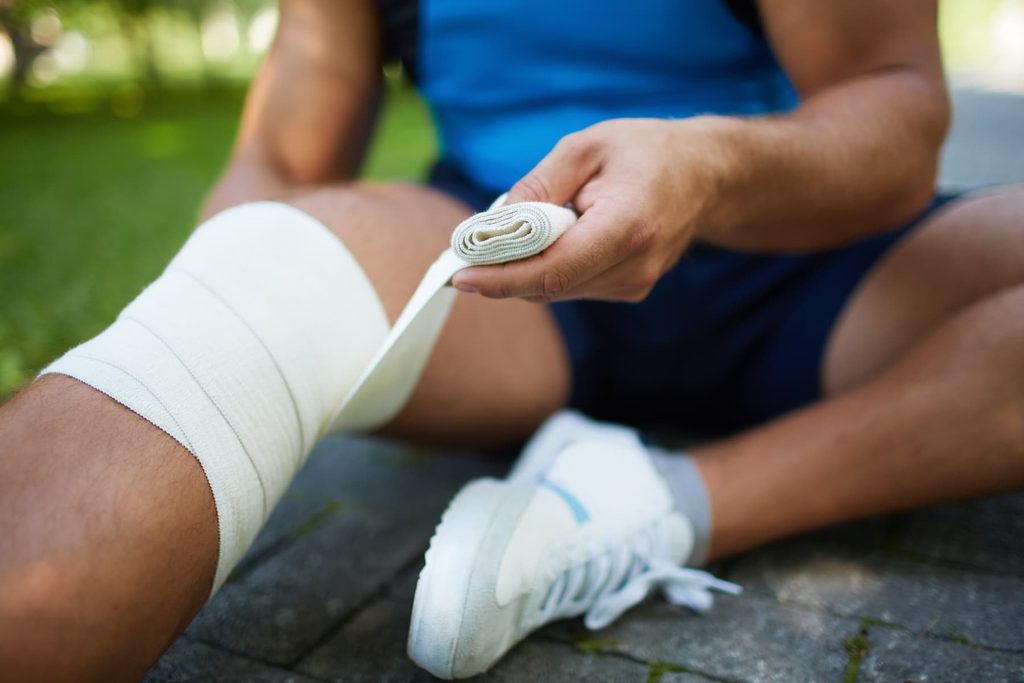
Sports injuries can happen during training, competition, exercise or everyday activities. While some minor injuries improve with rest and home care, others require assessment by a GP, physiotherapist or exercise physiologist.
Metropol Doctors provides access to medical and allied health services in Carindale to support injury assessment, recovery and a safe return to activity.
Common Sports Injuries
Sports injuries may affect muscles, ligaments, tendons, joints or bones. Common examples include:
- Sprains, such as an ankle or knee ligament injury.
- Strains affecting muscles or tendons.
- Tendon injuries caused by repeated stress or overuse.
- Knee, shoulder, hip or lower-back pain.
- Joint Dislocations.
- Fractures.
- Bruising and swelling.
- Concussion and other head injuries.
- Overuse injuries caused by repetitive training.
Symptoms may include pain, swelling, bruising, stiffness, weakness, reduced movement or difficulty putting weight on the affected area.
When Should You See a GP?
A GP can assess the injury, identify possible complications and organise further tests or referrals when necessary.
Book a GP appointment if:
- You have significant pain or swelling.
- You cannot move the affected joint normally.
- You cannot put weight on an injured leg or foot.
- You suspect a fracture or dislocation.
- Pain continues and there is no improvement with rest.
- You have ongoing weakness or reduced function.
- You experience numbness or tingling.
- You have repeated injuries in the same area.
- You are unsure how serious the injury may be.
Your GP may recommend imaging, medication, bracing, physiotherapy, specialist assessment or other treatment, depending on the injury.
When Is Urgent Medical Care Needed?
Go to an emergency department or call Triple Zero (000) if:
- A limb appears twisted or has an abnormal shape.
- Bone is visible through the skin.
- Severe pain and it’s getting worse.
- The injured area feels cold, pale or sweaty.
- If there is any difficulty breathing.
- Changes in alertness or drowsiness after a head injury, or any nausea or vomiting.
- If the injured person is confused or disoriented.
- You develop severe weakness, numbness or loss of movement.
- There is significant bleeding.
Do not try to straighten a dislocated joint or move a limb that may be fractured.
When Should You See a Physiotherapist?
A physiotherapist can assess movement, pain, strength and flexibility. They can develop a rehabilitation program to help you recover and reduce the risk of further injury.
A physiotherapist may help with:
- Muscle strains and ligament sprains.
- Tendon and overuse injuries.
- Joint pain and stiffness.
- Back, neck, shoulder, hip or knee problems.
- Recovery after surgery or immobilisation.
- Balance and movement problems.
- Returning to work, exercise or sport.
- Injury prevention and training techniques.
Physiotherapy may include education, hands-on treatment, prescribed exercises, mobility work, strengthening and gradual return-to-sport planning.
If you have severe pain, a suspected fracture, major swelling or loss of movement, see a GP first or seek urgent medical care.
When Should You See an Exercise Physiologist?
An exercise physiologist develops personalised exercise programs to improve health, strength, movement and physical function. They may support people recovering from injury, managing a chronic condition or returning to activity after a period of reduced movement.
An exercise physiologist may help when:
- You need a gradual return-to-exercise program.
- You have lost strength after an injury.
- You are returning to sport after time away.
- You want to improve strength and conditioning safely.
- You have recurring injuries linked to weakness or poor movement. ● You need support exercising with a chronic health condition.
- You are recovering from surgery or prolonged inactivity.
They can work alongside your GP and physiotherapist to support long-term strength, fitness and injury prevention.
What to Do Immediately After an Injury
For a minor sprain, strain or bruise, initially:
- Rest the injured area and avoid activities that increase pain.
- Apply a cold pack wrapped in a cloth.
- Use compression if advised and ensure the bandage is not too tight. ● Elevate the injured area to help reduce swelling.
- Seek medical advice if pain is severe, symptoms worsen, or recovery is delayed.
Avoid returning to sport simply because the pain temporarily improves. Returning too early may increase the risk of reinjury.
Returning to Sport Safely
A safe return should be gradual. You should be able to perform normal movements without significant pain and regain appropriate strength, flexibility and balance before returning to full activity.
Your healthcare professional may recommend:
- Gentle movement first.
- Low-impact exercise.
- Progressive strengthening.
- Sport-specific drills.
- Gradual increases in training load.
- Technique or equipment changes.
- Ongoing monitoring for pain or swelling.
Stop and seek advice if symptoms return or become worse during or after exercise.
Sports Injury Care at Metropol Doctors
Metropol Doctors in Carindale can support your recovery through:
- GP injury assessment.
- Physiotherapy.
- Exercise physiology.
- Referral for imaging or specialist care when required.
- Individualised rehabilitation planning.
- Advice about returning to work, exercise and sport.
Our healthcare professionals can work together to help you understand your injury and choose the most appropriate next step.
Book a Sports Injury Appointment in Carindale
If you have ongoing pain, swelling, reduced movement or difficulty returning to exercise, book an appointment at Metropol Doctors.
Call (07) 3343 0000 or book an appointment online.
This article provides general information only and does not replace an individual medical assessment. Call 000 for a serious injury or life-threatening symptoms.