Ringworm in Kids: Causes, Symptoms, Treatment and How to Stop It Spreading at Home and School in Carindale
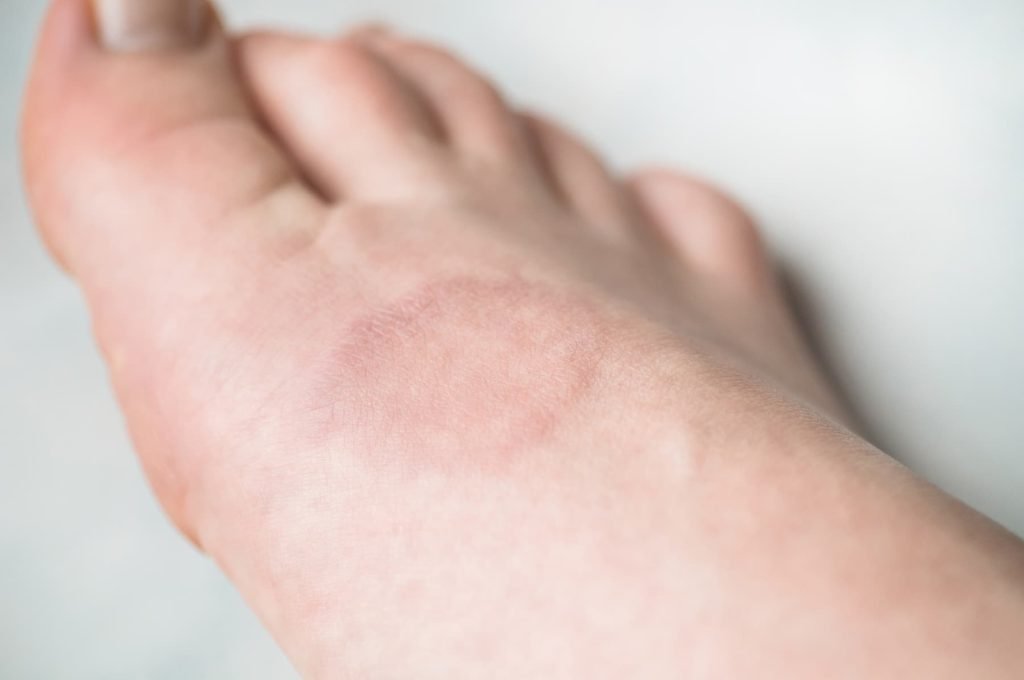
Ringworm in kids is a common fungal skin infection. Causing an itchy, ring‑shaped rash.
What Causes Ringworm in Children?
Ringworm (tinea) is caused by dermatophyte fungi that live on the outer layer of skin, hair and nails.
Children usually catch it through:
- Direct skin-to-skin contact and sharing towels, clothes, brushes, combs, hats,
- Walking barefoot on contaminated surfaces like gym mats, change rooms, pool decks or shower floors.
Ringworm often appears a few weeks after exposure, which is why it can be hard to trace its source.
Ringworm Symptoms:
Ringworm looks slightly different depending on where it appears on the body. In all cases, early treatment gives the best outcome.
Typical signs include:
- Red, pink, brown or grey circular patches (depending on skin tone).
- A ring‑shaped edge that is more raised and scaly than the centre.
- Itching, irritation or mild burning.
Common types:
|
Symptom Location |
Key Signs |
|
Scalp |
Bald patches, broken hair, scaly or crusty scalp |
|
Body |
Ring‑shaped, red/itchy, clearer in the centre |
|
Feet |
Peeling/cracked between toes, itchy rash |
It is very important to diagnose early and treat appropriately.
Ringworm Treatment:
Ringworm usually responds well to antifungal medication, especially if started early, under the guidance of your GP.
1. Mild skin (body/feet) infections
- Use an antifungal cream (as directed by your GP)
- Treatment usually takes a few weeks, and you should continue the cream for about 1 week after the rash has cleared to help prevent it from coming back.
2. Scalp or nail infections
- These usually need a prescription from your GP because creams alone cannot reach deep into hair follicles or nail beds.
- Courses often run for a longer period, depending on the medicine used.
- Your doctor might also suggest an antifungal shampoo to reduce the spread in the family.
- Your child has diabetes, a weakened immune system, or is on long‑term steroids. Never use steroid creams alone on suspected ringworm – they can hide the rash, make it larger, and delay proper diagnosis.
Prevention Tips for Families and Schools
Good hygiene and quick treatment are the best ways to stop ringworm from spreading.
At home
- Wash hands with soap and water after touching pets, rashes or shared items.
- Do not share towels, clothing, hats, helmets, hairbrushes, combs or bedding.
- Wash clothing, towels and bedding in hot water and dry them thoroughly (preferably in full sun or a hot dryer).
- Treat pets if they have bald, scaly or itchy patches – see a vet, as animals can reinfect the family.
- Keep skin dry and clean, especially between toes and in skin folds. Change out of sweaty clothes promptly.
At school and in sports
- Encourage kids not to walk barefoot around pools, change rooms and shared showers.
- Ask schools and clubs to regularly clean and disinfect gym mats, shared helmets, and equipment.
- Cover visible patches with a dressing or clothing during school or training once treatment has started.
When to Book a GP Appointment if You Suspect Ringworm:
Suspect ringworm in your child? Don’t wait and hope it disappears. Early diagnosis and the right treatment:
- Clear the infection faster.
- Reduce the risk of spreading it to siblings, classmates and teammates.
- Protect your child from complications like scalp scarring or nail damage.
At Metropol Doctors in Carindale, our GPs can:
- Confirm if it is ringworm or another skin condition.
- Recommend the most effective cream or prescribe oral medication where needed.
- Provide a simple prevention plan for your whole family and advice for school or childcare forms.
Book now: Call (07) 3343 0000 or book online.
Opening Hours:
Tuesday, Wednesday & Friday: 8:30 AM – 5:00 PM
Monday, Thursday: 8:30 AM – 7:00 PM
Saturday: 9:00 AM – 12:00 PM