Kidney Infection (Pyelonephritis): Symptoms, Treatment & Prevention
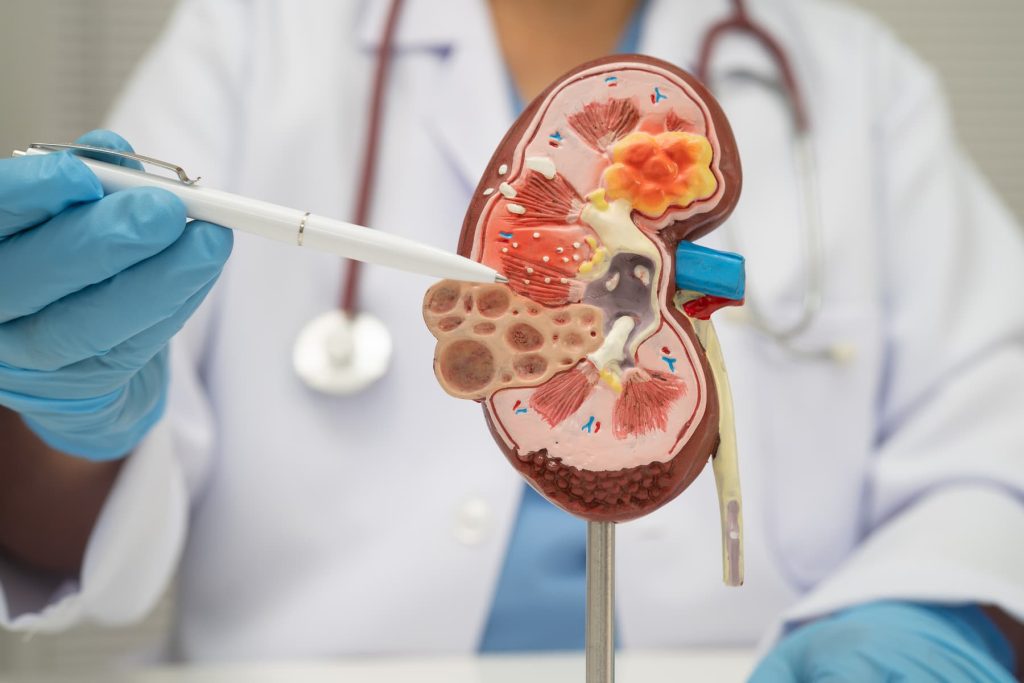
Do you have back pain, fever, and burning urination? These could be signs of a kidney infection (pyelonephritis). This guide covers symptoms, UTI progression, antibiotic treatment, and prevention, helping Carindale residents catch kidney infections early.
Important Note: Always consult your GP immediately if you suspect a kidney infection. Kidney infections can cause permanent damage quickly, and professional medical treatment is essential for your specific health needs.
What Is a Kidney Infection (Pyelonephritis)?
A kidney infection, medically called pyelonephritis, occurs when bacteria spread from your urinary tract to one or both kidneys. Unlike regular UTIs that affect only the bladder, kidney infections are serious and can cause:
- kidney damage
- Life-threatening sepsis
- Hospitalisation (60% of cases)
- Long-term kidney function problems
Key fact: Kidney infections develop from untreated UTIs in 95% of cases. Catching UTIs early prevents kidney infections.
ITS VERY IMPORTANT TO GET A URINE SAMPLE CHECKED BEFORE YOU START TREATMENTS
How UTIs Progress to Kidney Infections UTI to Kidney Infection Timeline
Stage | Symptoms | Duration | Risk of Progression |
Early UTI | Burning urination, frequent urination, mild urgency | 1-3 days | 5% if untreated |
Moderate UTI | Worsening pain, cloudy urine, lower belly pain | 3-7 days | 25% if untreated |
Advanced UTI | Blood in urine, severe pain, fever under 38°C | 7-10 days | 50% if untreated |
Kidney Infection | Back pain, fever over 38°C, nausea, and confusion | 10+ days | 100% if untreated |
Bacteria Movement Path
- Bacteria enter the urethra: Usually, E. coli from the skin or bowel
- Spread to bladder: Causes cystitis (bladder infection)
- Travel up the ureters: Tubes connecting the bladder to the kidneys
- Reach kidneys: Causes pyelonephritis (kidney infection)
- Possible bloodstream spread: Sepsis (life-threatening)
Who’s Most Likely to Develop Kidney Infections
- Women: 50x higher risk than men (shorter urethra)
- Pregnant women: 2-4% develop pyelonephritis
- Older adults (65+ have weaker immune systems
- People with diabetes: Poor immunity + urinary issues
- Those with kidney stones: Block urine flow
- Immune-compromised: HIV, cancer, chemotherapy patients
Symptoms of Kidney Infections (Pyelonephritis) Early Kidney Infection Signs
UTI symptoms that worsen:
- Burning urination becomes severe
- Frequent urination increases to every 30 minutes
- Urine looks cloudy, bloody, or foul-smelling
- Lower belly pain moves upward
New kidney-specific symptoms:
- Flank pain: One-sided pain in the lower back (where the kidneys are)
- Fever: Temperature over 38°C (100.4°F)
- Chills: Shaking despite a warm room
- Nausea: Feeling as if you’ll vomit
Severe Kidney Infection Signs (Hours 24+)
Symptom | What It Means | Urgency |
High fever over 39°C | Bacteria spreading | Emergency – see GP today |
Vomiting | Unable to take antibiotics | Emergency – hospital needed |
Confusion or dizziness | Bacteria entering the bloodstream | Emergency – call 000 |
Severe back pain | Kidney swelling | See GP within 2 hours |
No urination for 8+ hours | Kidney failure | Emergency – hospital |
Rapid heartbeat | Sepsis developing | Emergency – call 000 |
Symptoms by Age Group
Young Adults (18-40)
- High fever, severe flank pain, vomiting
- Often miss work due to symptoms
Seniors (65+)
- May have NO fever (weakened immune response)
- Confusion, dizziness, fatigue instead
- Often misdiagnosed as other conditions
Pregnant Women
- Fever, back pain, UTI symptoms
- It can cause preterm labour if untreated
- Need immediate hospital care
When Kidney Infection Is an Emergency
Call 000 or go to the hospital immediately if you have:
- Fever over 39.5°C with confusion
- Vomiting that prevents taking medication
- No urination for 8+ hours
- Rapid heartbeat (over 120 bpm)
- Severe pain unrelieved by medication
- Shaking chills (rigours)
- Blood pressure dropping (feeling faint)
See your GP within 2 hours if you have:
- Fever over 38°C with back pain
- UTI symptoms worsening for 3+ days
- Blood in urine
- Nausea with urinary pain
Kidney Infection Diagnosis: What Your GP Will Do Medical Examination (15-20 minutes)
- Symptom review: Duration, severity, UTI history
- Physical examination
- Urine test: Collect a sample for analysis before commencing treatment
Lab Tests Ordered
Test | What It Shows | Turnaround |
Urinalysis | Bacteria, white blood cells, and blood | 1-2 hours |
Urine culture | Exact bacteria type + antibiotic sensitivity | 24-48 hours |
Blood test | White blood cells (infection level) | 1-2 hours |
Creatinine/eGFR | Kidney function (damage check) | 1-2 hours |
Blood culture | If sepsis is suspected (bacteria in the blood) | 24-48 hours |
Imaging (If Severe or Complicated)
- Kidney ultrasound: Checks for stones, swelling, blockage
- CT scan: Detailed kidney images (if ultrasound unclear)
- X-ray: For kidney stones
Kidney Infection Treatment: Antibiotics and follow-up.
Important: Always follow your GP’s advice for treatment. Kidney infections require prompt medical care and monitoring.
Treatment guidelines:
Start prescribed antibiotics promptly: Begin treatment as soon as your GP diagnoses the infection (do not self-medicate)
Complete the full course: Finish all antibiotics even if symptoms improve early
Avoid alcohol: It may interfere with some antibiotics and delay recovery
Stay hydrated: Drink 2-3 litres of water daily (unless advised otherwise by your GP)
Follow-up:
Your GP may request a repeat urine test or review to ensure the infection has fully cleared.
When Hospital Treatment Is Needed
Some kidney infection cases require hospitalisation:
- Can’t take oral antibiotics (vomiting)
- Fever over 39°C
- Signs of sepsis (confusion, rapid heartbeat)
- Severe pain uncontrolled by medication
- Pregnancy (higher risk)
- Elderly (65+) with a weak immune system
- Diabetes or immune problems
Hospital treatment includes:
- IV antibiotics (stronger, faster)
- IV fluids (hydration)
- Pain medication
- Close monitoring for sepsis
- Possible drainage if a kidney stone blocks the urine
Pain and Symptom Management
Important: Always check with your GP before starting any treatment or medication. Kidney infections can worsen quickly, and your doctor will ensure your treatment plan is safe and appropriate.
Home care (alongside prescribed antibiotics):
Pain relief: Paracetamol 1 g every 6 hours (generally safe for kidneys when used as directed)
Ibuprofen: May affect kidney function – only use if approved by your GP
Rest: Stay home and allow your body to recover
Hydration: Drink 2–3 litres of water daily (unless your GP advises otherwise)
Cranberry products: May help reduce recurrence risk, but not a substitute for treatment
Follow-up care:
See your GP as advised to ensure the infection has cleared and to prevent complications.
Preventing Kidney Infections
- Treat UTIs Immediately
- Don’t wait: Start antibiotics after collecting a urine sample within after the onset of 24 UTI symptoms
- See GP: Get a proper diagnosis and prescription
- Finish antibiotics: Even if symptoms improve
- Follow up symptomatic or feeling unwell
- May need further Investigations if you have recurring infections
2. Prevent UTIs (Prevents Kidney Infections)
Prevention Method | Effectiveness | How Often |
Urinate after sex | 70% reduces UTIs | Every time |
Wipe front to back | 50% reduces UTIs | Every time |
Drink 2 litres of water daily | 60% reduces UTIs | Daily |
Don’t hold urine | 40% reduces UTIs | Every 3-4 hours |
Avoid spermicides | 30% reduces UTIs | If possible |
Cotton underwear | 25% reduces UTIs | Daily |
3. Stay Hydrated
- 2-3 litres of water daily: Flushes bacteria from the urinary tract
- Don’t limit fluids: Even if urinating frequently
- Urinate regularly: Every 3-4 hours
4. Manage Risk Factors
- Control diabetes: High blood sugar increases infection risk
- Treat kidney stones: Remove blockages that trap bacteria
- Boost immunity: Eat well, exercise, sleep 7-8 hours
- Avoid dehydration: Especially in hot weather
5. Women-Specific Prevention
- Urinate after sexual activity: Removes bacteria
- Avoid douching: It irritates the urinary tract
- Use gentle cleansers: No harsh soaps near the urethra
- Change birth control: Spermicides increase UTI risk
Diabetes Eye Screening at Metropol Doctors Carindale
After treatment, see your GP to confirm the infection has cleared and check your kidney health.
Call us on (07) 3343 0000 or contact us to book an appointment.
Services include:
- Repeat urine culture to confirm infection cleared
- Kidney function tests (creatinine, eGFR)
- Antibiotic prescription and follow-up
- Prevention advice for future UTIs