Irritable Bowel Syndrome (IBS): Causes, Symptoms, and Management
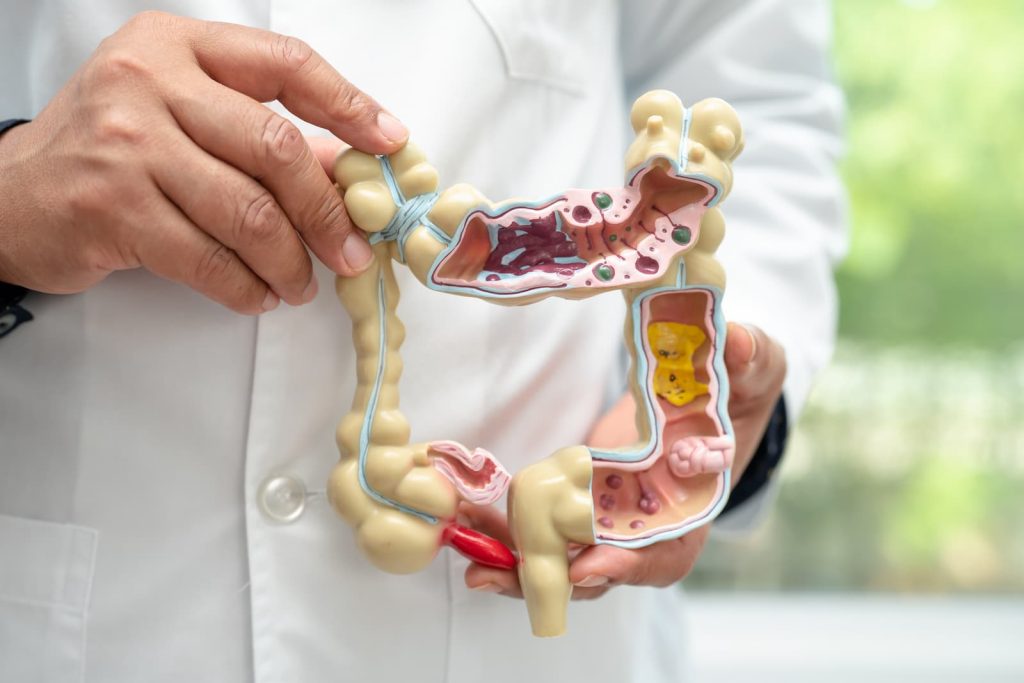
Irritable Bowel Syndrome (IBS) is a common digestive disorder that affects up to one in five Australians at some point in their lives. While IBS does not cause permanent damage to the bowel, it can significantly impact daily comfort and quality of life. Understanding the causes, recognising the symptoms, and seeking expert management are key steps toward regaining control of your digestive health.
What Is IBS?
IBS is a functional gastrointestinal disorder, meaning it involves problems with how the gut works, rather than structural abnormalities. It is characterised by a group of symptoms that often occur together, including abdominal pain, bloating, and changes in bowel habits.
Causes of IBS
The exact cause of IBS is not fully understood, but several factors are believed to contribute:
- Gut-Brain Axis Dysfunction: The communication between the gut and brain can become disrupted, leading to heightened sensitivity and altered bowel function.
- Intestinal Motility Issues: Abnormal muscle contractions in the intestines can cause food to move too quickly (diarrhoea) or too slowly (constipation).
- Gut Microbiome Imbalance: Changes in gut bacteria may play a role in symptom development.
- Infections: Some people develop IBS after a severe bout of gastroenteritis (post-infectious IBS).
- Stress and Mental Health: Anxiety, stress, and depression can trigger or worsen IBS symptoms.
- Dietary Triggers: Certain foods, such as those high in FODMAPs (fermentable carbohydrates), can provoke symptoms in sensitive individuals.
Symptoms of IBS
IBS symptoms vary from person to person, but the most common include:
- Abdominal pain or cramping, often relieved by passing stool
- Bloating and excessive gas
- Changes in bowel habits, such as:
- Diarrhoea (IBS-D)
- Constipation (IBS-C)
- Alternating diarrhoea and constipation (IBS-M)
- Mucus in the stool
- A sensation of incomplete bowel emptying
Symptoms may be persistent or come and go, and can be triggered by food, stress, or hormonal changes.
Diagnosing of IBS
There is no single test for IBS. Diagnosis is based on:
- Medical history and detailed symptom description
- Physical examination
- Exclusion of other conditions (such as coeliac disease or inflammatory bowel disease) through blood tests, stool tests, or sometimes a colonoscopy
Your doctor may use the Rome IV criteria, a set of guidelines used to diagnose IBS based on specific symptoms and their duration.
IBS Management and Treatment Options
While IBS cannot be cured, symptoms can often be effectively managed with a personalised approach:
Dietary Modifications
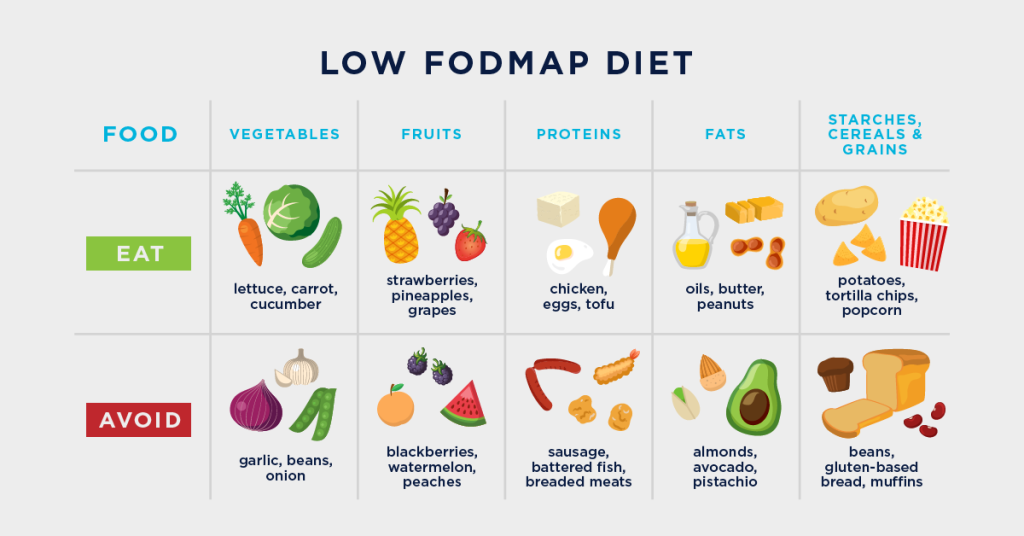
- Low FODMAP Diet: Many people find relief by reducing foods high in fermentable carbohydrates (such as certain fruits, vegetables, dairy, and wheat).
- Fibre Adjustment: Soluble fibre (found in oats, psyllium, and some fruits) may help, but insoluble fibre can worsen symptoms for some.
- Food Diary: Tracking foods and symptoms can help identify personal triggers.
Lifestyle and Stress Management
- Regular exercise supports gut health and reduces stress.
- Mindfulness, meditation, and cognitive behavioural therapy (CBT) can help manage anxiety and stress-related symptoms.
Medications
- Antispasmodics: Help reduce abdominal pain and cramping.
- Laxatives or Anti-diarrhoeals: For constipation- or diarrhoea-predominant IBS.
- Probiotics: May help some people by improving gut bacteria balance.
- Prescription medications: For severe or persistent symptoms, your specialist may recommend newer therapies targeting gut motility or sensitivity.
Specialist Support
- A gastroenterologist can provide expert assessment, recommend advanced treatments, and coordinate care with a dietitian and mental health professionals.
When to See a Gastroenterology Specialist
You should seek a gastroenterology specialist’s advice if you experience:
- Persistent or severe abdominal pain
- Unexplained weight loss
- Blood in the stool
- Symptoms that do not improve with standard management
- Family history of bowel cancer or inflammatory bowel disease
Book Your Appointment Today
IBS can be challenging, but you don’t have to manage it alone. With the right support and a tailored management plan, most people can find significant relief and enjoy a better quality of life.
Book a consultation with our gastroenterology specialists today for expert diagnosis, personalised treatment, and compassionate care.
Contact Metropol Doctors to learn more.
Opening Hours:
Monday – Friday: 8:30 AM – 5:00 PM
Saturday: 9:00 AM – 12:00 PM