Exercise Physiology for Parkinson’s Disease: How It Helps with Balance, Strength and Daily Movement
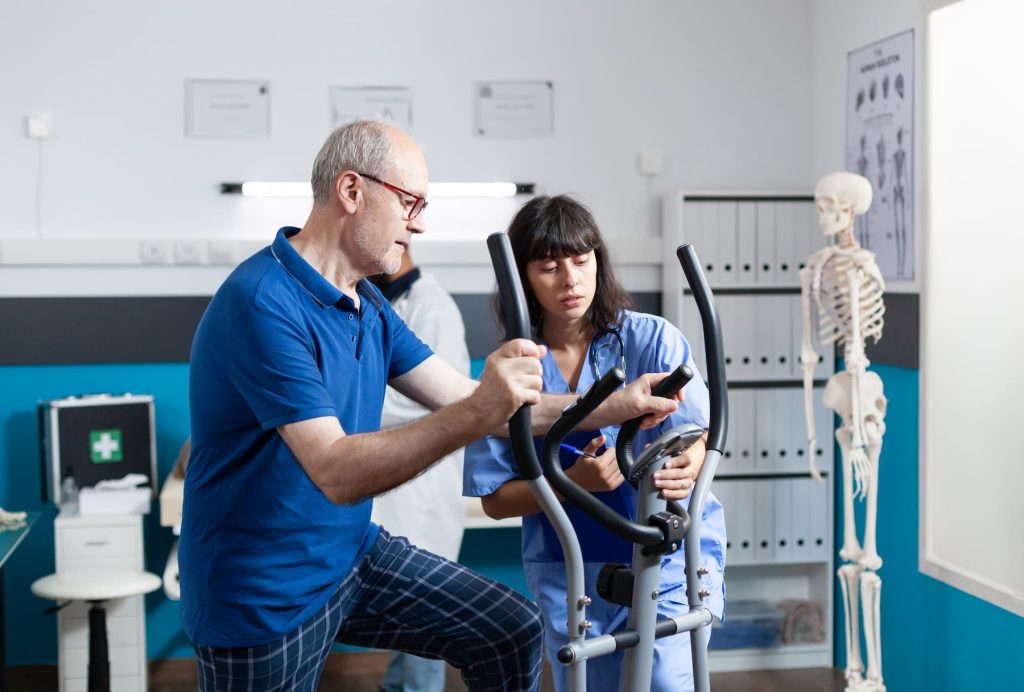
Exercise physiology can play an important role in helping people living with Parkinson’s disease stay active, independent and confident. A personalised exercise plan may support balance, mobility, strength and daily movement, while also helping reduce falls risk.
What Is Parkinson’s Disease?
Parkinson’s disease is a progressive neurological condition that affects movement. Common symptoms can include tremor, stiffness, slower movement, changes in walking and balance problems. Symptoms often vary from person to person, which is why treatment and exercise need to be tailored. A one-size-fits-all program usually is not enough.
Early signs may include:
- Shaking or tremor in the hands or limbs.
- Stiffness or rigidity in muscles.
- Slower movements (bradykinesia).
- Changes in walking gait or posture.
- Reduced arm swing when walking.
- Balance problems or feeling unsteady.
Why Exercise Matters for Parkinson’s Disease
Exercise is one of the most important non-medication tools for people living with Parkinson’s disease. It can help improve fitness, support wellbeing and assist with symptom management over time. Regular exercise may help with:
- Gait and walking.
- Balance and coordination.
- Strength and flexibility.
- Falls prevention.
- Confidence with daily movement.
- Quality of life.
Research shows exercise can:
- Improve walking speed and stride length.
- Reduce stiffness and improve flexibility.
- Support better posture.
- Help with coordination and reaction time.
- Reduce the risk of falls by up to 30% in some studies.
Types of Exercise That Can Help
A good program for Parkinson’s disease usually includes more than one type of exercise. The right combination depends on symptoms, goals and current ability. Common exercise types include:
- Aerobic exercise, such as walking or cycling.
- Strength training.
- Balance training.
- Flexibility and mobility work.
- Exercises that improve coordination and reaction time.
Aerobic exercise helps with fitness and walking ability. Strength training supports muscles for daily tasks. Balancing work reduces fall risk. Flexibility exercises help with stiffness.
How Exercise Physiology Supports Parkinson’s Care
An exercise physiologist can design a personalised plan based on the person’s symptoms, goals and preferences. The program is usually progressive and adjusted over time as needs change. This can help with:
- Getting up from a chair more easily.
- Moving safely around the home.
- Improving walking confidence.
- Building strength for everyday tasks.
- Reducing fear of falling.
Programs often consider:
- Current fitness level.
- Specific symptoms like tremor or freezing.
- Home environment and equipment.
- Support from carers or family.
What a Program May Include
A Parkinson’s exercise program may involve:
- Walking drills or treadmill work.
- Stationary cycling.
- Resistance exercises.
- Balance and posture exercises.
- Stretching for stiffness and mobility.
- Home exercises that can be done between sessions.
Exercise Type | Main Benefit | Examples |
Aerobic exercise | Improves fitness and walking ability. | Walking, cycling, rowing |
Strength training | Supports muscles used for daily movement. | Resistance bands, weights |
Balance training | Helps reduce fall risk and improve stability. | Single-leg stands, heel-toe walk |
Flexibility work | Helps with stiffness and movement quality. | Gentle stretches, yoga |
Sample exercises:
- Heel-toe walking: Improves gait and balance.
- Chair stands: Build leg strength.
- Seated rows: Supports posture.
- Tandem stance: Challenges balance safely.
When to Seek Help for Parkinson’s Disease
It may be time to book an exercise physiology appointment if you or a loved one are:
- Feeling less steady on your feet.
- Having more falls or near-falls.
- Finding walking, turning or standing up harder.
- Becoming less active because of stiffness or fear of falling.
- Looking for safe, structured support after diagnosis.
When to Book an Appointment:
If you are looking for personalised exercise physiology support for Parkinson’s disease, Metropol Doctors in Carindale can help. Our Doctors and team can work with you to create a safe, practical plan that supports movement, strength and daily function.
Book now: Call (07) 3343 0000 or book online.
Opening Hours:
Tuesday, Wednesday & Friday: 8:30 AM – 5:00 PM
Monday, Thursday: 8:30 AM – 7:00 PM
Saturday: 9:00 AM – 12:00 PM