Diabetic Eye Disease: Eye Check and What to Look For
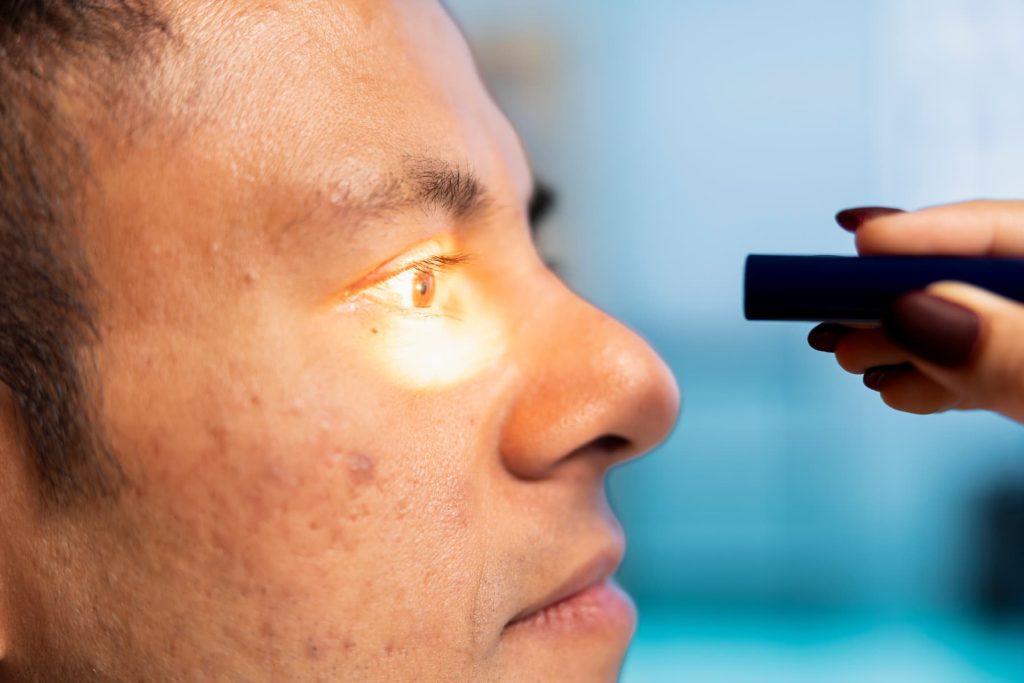
This guide explains when to get your eye checks, what symptoms to watch for, and how to prevent retinopathy, helping Australians with diabetes to protect their vision.
Important Note: Always consult your GP or ophthalmologist before making decisions about your eye care. Every diabetes case is different, and professional medical advice ensures you receive appropriate screening for your specific health needs.
Why Diabetic Eye Disease Is a Serious Concern
Diabetic eye disease affects up to 40% of Australians with diabetes, making it one of the most common diabetes complications. The condition, also called diabetic retinopathy, damages blood vessels in your retina, potentially leading to vision loss or blindness.
The good news? Early detection prevents 95% of severe vision loss. Regular eye checks catch problems before they affect your sight.
Critical Screening Rules
- Don’t wait for symptoms: Diabetic eye disease often shows NO warning signs until vision is permanently damaged
- New diabetes diagnosis: Book eye check within 1-2 months of diagnosis
- Already diabetic but never checked: Schedule immediately, not “too late”
- High-risk patients: Every 6 months if you have:
- Long-standing diabetes (10+ years)
- Poor blood sugar control (A1C over 8%)
- Kidney disease
- High blood pressure
- Any other eye conditions
What Diabetic Eye Disease Symptoms to Look For Early Stage (Often No Symptoms)
Diabetic retinopathy starts silently. You may notice:
- No vision changes at all
- Mild blurry vision that comes and goes
- Difficulty seeing at night
Moderate to Severe Stage Symptoms
When damage progresses, watch for:
|
Symptom |
What It Means |
|
Blurry or wavy vision |
Fluid leaking into the retina |
|
Flashes of light |
Retina irritation |
|
Spots or “floaters” |
Blood leaking into the eye |
|
Dark or empty areas in vision |
Blood vessel damage |
|
Vision loss (partial) |
Advanced retinopathy |
Vision loss (complete) |
Retinal detachment or severe damage |
See your Optometrist, GP or Ophthalmologist. Warning Signs You Shouldn’t Ignore
Don’t wait for your next scheduled check if you experience:
- Sudden vision changes (any degree)
- New spots floating in your vision
- Colours appear less bright
- Difficulty reading or seeing screens
- Needing brighter light for daily tasks
- Headaches with vision changes
What Happens During a Diabetic Eye Check by your Optometrist or Ophthalmologist.
Eye Screening Procedure (15-30 minutes)
- Dilation drops: The eye doctor numbs and widens your pupils
- Retinal photography: Camera captures high-resolution images of your retina
- OCT scan (optional): Cross-sectional retina imaging
- Examination: The doctor checks for damaged blood vessels, swelling, and bleeding
- Results discussion: Immediate feedback on findings
- Treatment plan (if needed): Medication, laser, or follow-up schedule
What Your Doctor Looks For
- Microaneurysms: Tiny bulges in blood vessels (early sign)
- Bleeding: Blood leaking into the retina
- Swelling: Fluid causing retinal thickening (macular oedema)
- New blood vessels: Abnormal growth (advanced disease)
- Retinal detachment: Retina pulling away (severe complication)
How to Prevent Diabetic Eye Disease
- Control Blood Sugar Levels
- Target A1C: Under 7% for most adults (discuss with GP)
- Check regularly: Follow your testing schedule
- Take medications: Never skip diabetes pills or insulin
-
Manage Blood Pressure
-
- Target: Under 130/80 mmHg
- Medication: Take BP meds as prescribed
- Monitor: Check weekly at home
-
Maintain Healthy Cholesterol
-
- LDL target: Under 2.0 mmol/L (or lower if high risk)
- Diet: Limit saturated fats
- Exercise: 30 minutes daily
-
Eat a Diabetes-Friendly Diet
-
- Low glycemic index foods: Whole grains, vegetables, legumes
- Limit sugar: No sugary drinks, desserts
- Omega-3 rich foods: Fish, nuts (protect eye blood vessels)
- Leafy greens: Spinach, kale (rich in eye-protecting nutrients)
-
Exercise Regularly
-
- 30 minutes daily: Walking, swimming, cycling
- Improves: Blood sugar control, blood pressure, circulation
- Reduces: Risk of retinopathy by 25%
-
Don’t Smoke
-
- Smoking increases diabetic eye disease risk by 40%
- Seek help: Quit programs at Carindale clinics
-
Get Annual Eye Checks
-
- Non-negotiable: Even with perfect vision
- Early detection: Prevents 95% of vision loss
- Medicare coverage: Most screenings are fully covered
When Diabetic Eye Disease Needs Treatment Treatment Options
|
Stage |
Treatment |
Effectiveness |
|
Early retinopathy |
Strict blood sugar + BP control |
Prevents progression |
|
Moderate retinopathy |
Close monitoring every 3-6 months |
Catch worsening early |
|
Severe retinopathy |
Laser treatment (photocoagulation) |
Stops bleeding 85% effective |
|
Macular oedema |
Eye injections (anti-VEGF) |
Reduces swelling by 70-80% effective |
|
Retinal detachment |
Surgery (vitrectomy) |
Prevents blindness |
Treatment Timing
- Don’t delay: Early treatment prevents permanent damage
- Urgent cases: Laser within 1-2 weeks for severe bleeding
- Follow-up: Every 3 months after treatment
Diabetes Eye Screening at Metropol Doctors Carindale
Your GP can refer you for diabetic eye screening and monitor your overall diabetes care.
Call us on (07) 3343 0000 or contact us to book an appointment.
Our Carindale GP team offers:
- Diabetes management and A1C monitoring
- Blood pressure and cholesterol checks
- Referrals to ophthalmologists for eye screening
- Regular diabetes review tailored to individuals.
Appointments available Monday to Saturday.
Don’t let diabetic eye disease steal your vision. Get regular eye checks and expert diabetes care at Metropol Doctors Carindale.