Diabetes and Eye Health: Why Regular Checks Matter
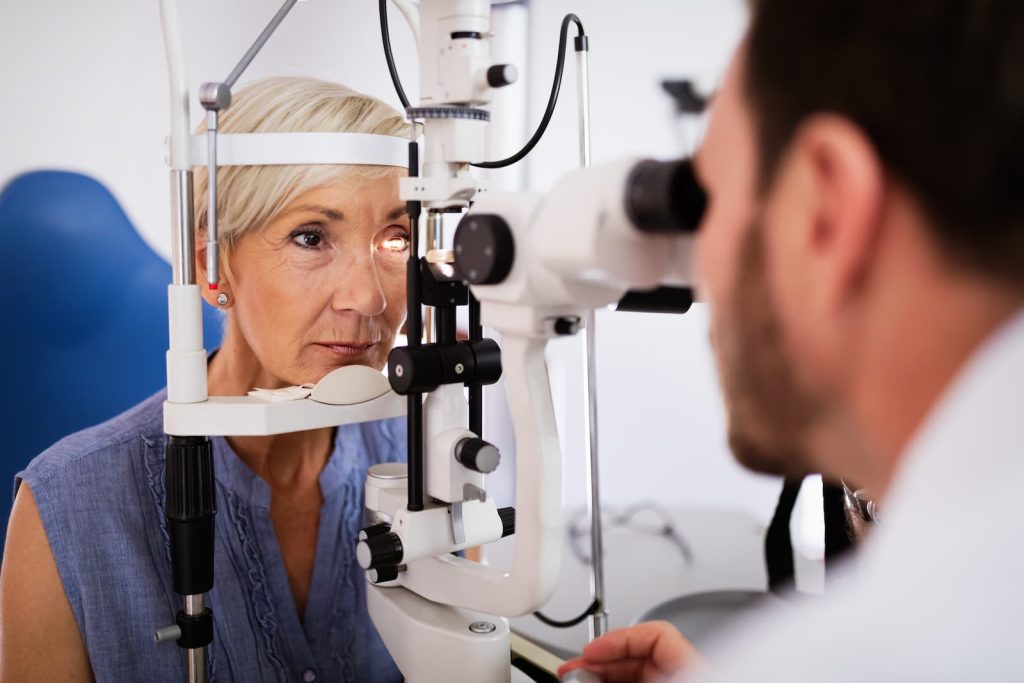
Diabetes is a leading cause of vision loss in Australia, but most diabetes-related eye problems can be prevented or managed with early detection and treatment. Regular eye checks are a vital part of diabetes care. Whether you have type 1, type 2, or gestational diabetes, protecting your eyesight should be a top priority.
How Diabetes Affects Eye Health
High Blood Sugar and Your Eyes
When blood glucose levels remain high over time, it can damage the tiny blood vessels in the eyes. This damage can lead to several serious eye conditions:
- Diabetic Retinopathy: The most common diabetes-related eye disease, caused by damage to the blood vessels in the retina. It can progress silently and lead to blindness if not detected early.
- Diabetic Macular Oedema (DMO): Swelling in the part of the retina responsible for central vision, leading to blurred or distorted sight.
- Cataracts: People with diabetes are more likely to develop cataracts at a younger age.
- Glaucoma: Diabetes doubles the risk of glaucoma, a condition that damages the optic nerve and can cause vision loss.
Why Regular Eye Checks Matter
Early Stages Often Have No Symptoms
One of the greatest dangers of diabetes-related eye disease is that it often develops without noticeable symptoms in the early stages. By the time vision changes are noticed, damage may already be advanced. This is why regular, comprehensive eye exams are so important.
Early Detection Saves Sight
Routine eye checks allow eye specialists to detect changes before symptoms appear. Early intervention can prevent vision loss and, in many cases, restore or preserve sight.
What Happens During a Diabetes Eye Check
- Dilated Eye Examination: Special drops are used to widen the pupils, allowing a clear view of the retina and optic nerve.
- Retinal Photography: High-resolution images help track changes over time.
- Visual Acuity Test: Measures how well you see at various distances.
- Eye Pressure Measurement: Screens for glaucoma.
These tests are painless and usually take less than an hour.
How Often Should You Have an Eye Check?
Adults with Diabetes: At least once every 1–2 years, or more often if recommended by your eye care professional.
Children and Young Adults: Begin eye checks soon after diagnosis, then follow your specialist’s advice.
Reducing Your Risk of Eye Problems
- Maintain Target Blood Glucose Levels: Consistent blood sugar control is the most effective way to protect your eyes.
- Manage Blood Pressure and Cholesterol: High blood pressure and cholesterol can worsen eye complications.
- Don’t Smoke: Smoking increases the risk of diabetic eye disease.
- Stay Active and Eat Well: A healthy lifestyle supports eye and overall health.
Warning Signs Not to Ignore
Contact your GP or eye specialist promptly if you notice:
- Blurred or fluctuating vision
- Dark spots or floaters
- Difficulty seeing at night
- Sudden loss of vision in one or both eyes
Prompt attention to these symptoms can prevent permanent vision loss.
Accessing Eye Care in Australia
- Medicare: Covers most of the cost of regular eye checks for people with diabetes.
- Aboriginal and Torres Strait Islander Peoples: May be eligible for additional support and outreach eye care programs.
- Telehealth: Some follow-up appointments and advice may be available remotely.
Book Your Appointment Today
Protecting your vision is an essential part of managing diabetes. Regular eye checks are quick, painless, and can make the difference between healthy eyesight and permanent vision loss. If you or a loved one has diabetes, book your comprehensive eye exam today and take a proactive step towards lifelong eye health. Contact Metropol Doctors to learn more.
Opening Hours:
Monday – Friday: 8:30 AM – 5:00 PM
Saturday: 9:00 AM – 12:00 PM