Fibre-Rich Foods: Why They Matter for Gut and Heart Health
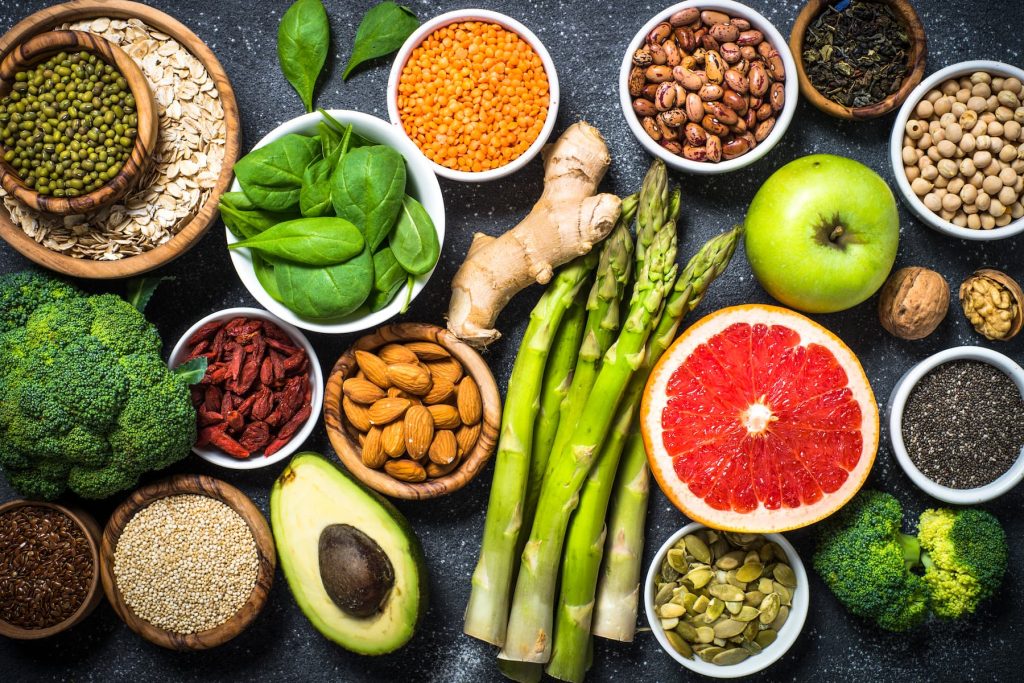
Fibre is a cornerstone of a healthy diet, yet most Australians consume less than the recommended daily amount. Beyond just “keeping you regular,” fibre plays a critical role in supporting gut health, nourishing beneficial bacteria, and protecting your heart. By understanding the science behind fibre and making informed food choices, you can improve your digestion, lower your risk of chronic disease, and boost your overall wellbeing.
What Is Dietary Fibre? Types and Functions
Dietary fibre is the indigestible part of plant foods that passes through the digestive tract, providing a range of health benefits. There are two main types, each with unique actions:
Soluble Fibre
- Dissolves in water to form a gel-like substance.
- Slows digestion, helps control blood sugar, and binds to cholesterol.
- Sources: Oats, barley, legumes (beans, lentils, chickpeas), apples, citrus fruits, psyllium husk.
Insoluble Fibre
- Does not dissolve in water, adds bulk to stool.
- Speeds up transit time, preventing constipation and promoting regularity.
- Sources: Wholegrain breads and cereals, nuts, seeds, carrots, broccoli, leafy greens, brown rice.
How Fibre Supports Gut Health
Promotes Regularity and Prevents Constipation
Insoluble fibre increases stool bulk and accelerates passage through the gut, reducing the risk of constipation and discomfort. This is especially important for children, older adults, and people with sedentary lifestyles.
Feeds Beneficial Gut Bacteria
Soluble fibre acts as a prebiotic, nourishing the trillions of “good” bacteria in your large intestine. These microbes ferment fibre, producing short-chain fatty acids (SCFAs) that:
- Support immune function
- Reduce inflammation in the gut
- Strengthen the intestinal barrier
A healthy gut microbiome is linked to better digestion, improved mood, and lower risk of conditions like irritable bowel syndrome (IBS) and inflammatory bowel disease (IBD).
Lowers Risk of Digestive Disorders
High-fibre diets are associated with a reduced risk of:
- Diverticulitis
- Haemorrhoids
- Colorectal cancer
Fibre helps sweep waste and potential carcinogens out of the colon, supporting long-term digestive health.
The Fibre and Heart Health Connection
Reduces Cholesterol
Soluble fibre binds to dietary cholesterol and bile acids in the gut, helping to remove them from the body. This process lowers LDL (“bad”) cholesterol and total cholesterol, key risk factors for heart disease.
Supports Healthy Blood Pressure
Fibre-rich diets are linked to lower blood pressure, likely due to improved blood vessel function and reduced inflammation.
Aids Weight Management
High-fibre foods are more filling and slow the absorption of nutrients, helping you feel satisfied for longer. This can prevent overeating and support a healthy weight, both crucial for heart health.
Regulates Blood Sugar
Soluble fibre slows the absorption of sugars, reducing spikes in blood glucose and improving insulin sensitivity. This is especially important for people at risk of type 2 diabetes.
How Much Fibre Do You Need?
- Adults: Aim for at least 25–30 grams of fibre per day.
- Children: Needs vary by age and sex; for example, children aged 4–8 should get around 18g daily, increasing with age.
- Pregnant/Breastfeeding Women: Consult your GP or dietitian.
Easy and Practical Ways to Boost Your Fibre Intake
- Swap white bread, rice, and pasta for wholegrain versions.
- Add legumes (beans, lentils, chickpeas) to soups, stews, and salads.
- Snack on fresh fruit, raw veggies or nuts.
- Start your day with high-fibre cereal or oats.
- Sprinkle chia or flaxseeds on yoghurt, porridge, or smoothies.
- Include at least five serves of vegetables and two serves of fruit daily.
Increase fibre gradually and drink plenty of water to avoid bloating or discomfort.
Common Fibre Myths Busted
- “Fibre is only for constipation.”
- Fibre benefits your heart, blood sugar, weight, and gut microbiome, not just bowel movements.
- Fibre benefits your heart, blood sugar, weight, and gut microbiome, not just bowel movements.
- “Fruit juice is a good source of fibre.”
- Most fibre is lost when fruit is juiced. Eat whole fruit for maximum benefit.
- Most fibre is lost when fruit is juiced. Eat whole fruit for maximum benefit.
- “Gluten-free means fibre-free.”
- Many gluten-free whole grains (quinoa, brown rice, buckwheat) are excellent fibre sources.
When to Consult a Professional
Persistent digestive symptoms, such as ongoing constipation, diarrhoea, unexplained weight loss, or blood in the stool warrant medical attention. If you have a history of heart disease, diabetes, or digestive disorders, seek tailored advice from your GP or an accredited dietitian before making major dietary changes.
Book Your Appointment Today
A fibre-rich diet is one of the simplest and most effective ways to support your gut, heart, and overall wellbeing. For personalised nutrition advice or help managing digestive or cardiovascular conditions, book a consultation with our expert gastroenterology team today. Contact Metropol Doctors to learn more.
Opening Hours:
Monday – Friday: 8:30 AM – 5:00 PM
Saturday: 9:00 AM – 12:00 PM