Sun Safety in Queensland Spring & Summer: Protecting Your Family from UV Damage
Queensland is known for its abundant sunshine, but spring & summer in Carindale bring more than just pleasant weather; it’s a period of extremely high ultraviolet (UV) radiation. Even as temperatures remain mild, UV levels begin to climb rapidly in October, placing families at risk before the summer holiday season arrives. Australia has some of the highest UV readings in the world due to its location near the equator and its relatively clear atmospheric conditions.
A common misconception is that UV danger decreases on cooler or cloudy days. However, UV radiation penetrates clouds, and in spring & summertime the index can reach “Very High” or even “Extreme” levels by mid-morning. Early-season sun exposure also catches many residents off guard, as the sensation of warmth does not always correlate with UV intensity.
Immediate and Long-Term Health Risks of UV Exposure
Exposure to high levels of UV radiation brings immediate risks, including sunburn and acute eye damage. Sunburn can occur in as little as 15 minutes during peak spring & summer UV periods. Beyond burns, excessive sun can cause photokeratitis, an inflammation of the cornea, leading to temporary vision blurring and discomfort.
The long-term consequences are even more serious. Queensland holds the unfortunate distinction of having one of the highest rates of skin cancer in the world, including both melanoma and non-melanoma forms. Chronic sun exposure accelerates skin ageing, causes persistent pigmentation changes, and increases the risk of cataracts and other eye diseases. Children are especially vulnerable, as their skin is thinner and more sensitive to UV damage.
How to Recognise Dangerous UV Conditions in Carindale
Understanding when UV exposure is hazardous is essential for families. The UV Index is a globally recognized scale that measures the strength of sunburn-producing UV radiation at a given place and time. In Queensland, it’s common to see the UV Index reach 11 or higher during spring & summer. Any reading of 3 or above signals a need for sun protection measures, even if the weather does not seem hot.
Queensland Health offers several digital resources for tracking real-time UV levels, including reputable smartphone apps and public weather updates. Checking the UV forecast should become as routine as checking the temperature. Remember, UV levels tend to peak between 10 am and 2 pm, but during spring & summer, they can already be dangerous before mid-morning or after mid-afternoon.
Sun Protection Strategies for Families
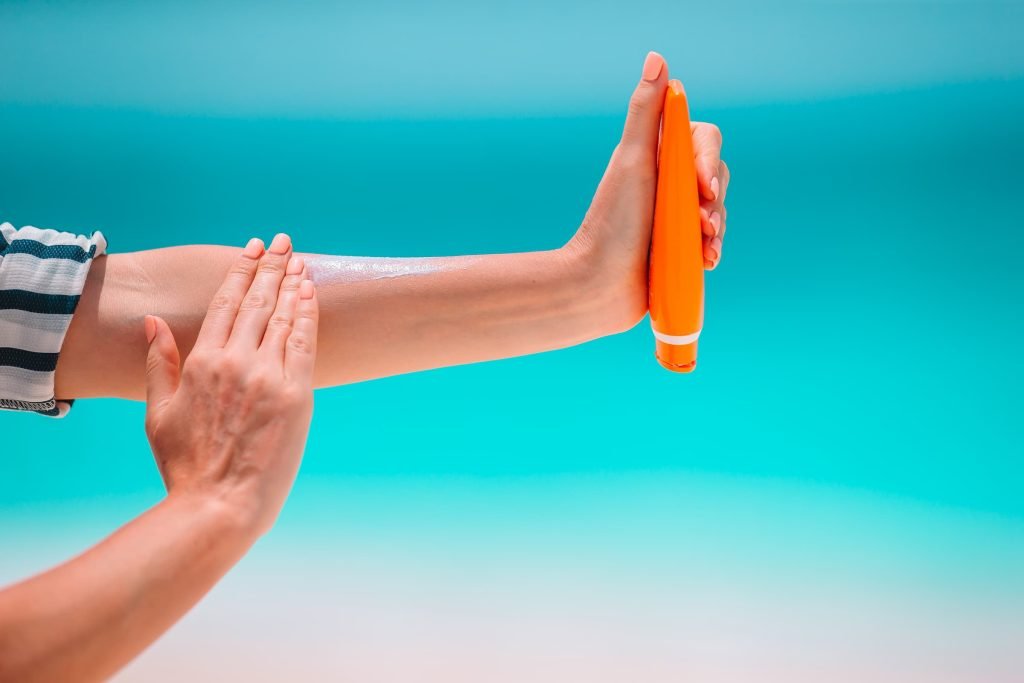
Protecting against UV begins with everyday habits. Select a broad-spectrum sunscreen with at least SPF 30, and, ideally, SPF 50+ for children and those with fair skin. Broad-spectrum products guard against both UVA (ageing) and UVB (burning) rays. Apply sunscreen 20 minutes before leaving the house and reapply every two hours, or more often if swimming or sweating. Don’t forget vulnerable spots such as ears, neck, and tops of feet.
Clothing provides constant, effective sun protection. Choose lightweight, tightly-woven fabrics and cover as much skin as possible. Wide-brimmed hats shield the face, neck, and ears better than standard caps. Quality sunglasses labeled “AS/NZS 1067:2016” provide guaranteed UV protection, reducing the risk of eye disease later in life.
Whenever possible, seek shade. At home, install shade sails, umbrellas, or covered verandas for outdoor play. Encourage schools and childcare centres to use shade structures during breaks and sports.
For babies and young children, avoid exposure altogether during high UV times. Dress infants in light, full-coverage clothing and hats, keeping them in prams with sunshades whenever outdoors.
Recognising Early Signs of Skin Cancer and Sun Damage
Early detection is critical for effective skin cancer treatment. Adults and teenagers should perform regular self-checks, looking for:
- New or growing moles
- Lesions with irregular edges or multiple colours
- Sores that don’t heal in four weeks
- Pigmented spots that are significantly different from others
Teach children to speak up about anything itchy, changing, or new on their skin. Annual professional skin checks are strongly advised for adults and high-risk individuals in Queensland.
Managing Sunburns and Overexposure
Despite best efforts, sunburn can occasionally happen. If overexposure occurs:
- Move immediately to the shade and cool the affected skin with running water or a cold, damp cloth
- Avoid further sun until the skin heals
- Apply fragrance-free moisturizer to ease discomfort and support healing
- Stay well hydrated to help the body recover
Seek medical attention if blisters cover a large area, if sunburn is accompanied by headache, fever, nausea, or if young children or individuals with underlying health conditions are affected.
Long-term, monitor any area that was severely burned for developing irregularities, as past sunburn increases cancer risk.
Book Your Skin Cancer Check in Carindale
Even in spring & summer, proactive skin health checks matter. An annual skin examination with your local Carindale clinic could be lifesaving. Early detection offers the best chance for a cure.
Call us or book an appointment to schedule your appointment online.
Opening Hours:
Monday – Friday: 8:30 AM – 5:00 PM
Saturday: 9:00 AM – 12:00 PM