How Respiratory Viruses Lead to Pneumonia
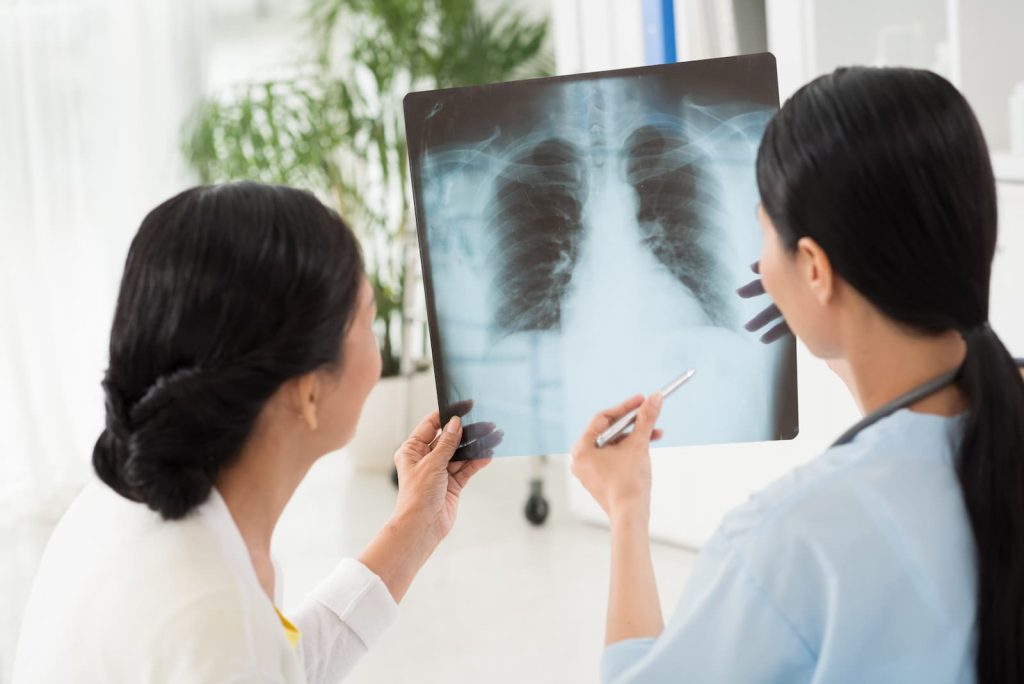
Respiratory viruses are a leading cause of illness in Australia, especially during the colder months. While many people recover from viral infections like the flu or common cold with only mild symptoms, these viruses can sometimes lead to serious complications, including pneumonia. Understanding how respiratory viruses operate, who is most at risk, and what steps you can take to protect yourself is vital for staying healthy and reducing the spread of infection in your community.
What Are Respiratory Viruses?
Respiratory viruses are a group of infectious agents that primarily target the nose, throat, and lungs. In Australia, the most common respiratory viruses include:
- Influenza (Flu): Highly contagious, with seasonal outbreaks peaking in winter.
- Respiratory Syncytial Virus (RSV): Common in children, but can affect adults and seniors.
- COVID-19: Caused by the SARS-CoV-2 virus, still circulating in the community.
- Rhinovirus: The main cause of the common cold, but can sometimes trigger more serious illness.
These viruses spread easily through droplets when an infected person coughs, sneezes, or talks. They can also survive on surfaces, making hand-to-face contact a frequent route of transmission. In crowded places like schools, public transport, and workplaces, the risk of catching a respiratory virus increases, especially during the colder months when people spend more time indoors.
How Viruses Cause Pneumonia
Not all respiratory viruses cause pneumonia, but under certain conditions, they can lead to serious lung infections.
Virus Entry and Lung Invasion
When a virus enters the body, it first infects the upper respiratory tract. In some cases, the infection travels deeper into the lungs, reaching the alveoli (tiny air sacs). Here, the virus damages the lining of the lungs, making it harder for oxygen to pass into the bloodstream.
Immune Response and Inflammation
The body’s immune system responds by sending white blood cells to fight the infection. This battle causes inflammation and fluid build-up in the lungs, leading to classic pneumonia symptoms: cough, fever, shortness of breath, and chest pain.
Secondary Bacterial Infections
Viral pneumonia can weaken the lungs’ natural defences, making it easier for bacteria to invade. This secondary infection can make symptoms worse and often requires antibiotic treatment in addition to supportive care.
High-Risk Groups in Australia
Certain Australians are more vulnerable to developing pneumonia after a viral infection:
- Children under 5: Their immune systems are still developing, making them more susceptible to severe illness.
- Seniors (over 65): Ageing weakens immune response and lung function.
- Aboriginal and Torres Strait Islander peoples: Higher rates of chronic disease and barriers to healthcare increase risk.
- People with chronic conditions: Those with asthma, chronic obstructive pulmonary disease (COPD), diabetes, or heart disease face higher risks of complications.
- Immunocompromised patients.
If you or a loved one falls into any of these categories, it’s especially important to take extra precautions during peak virus seasons.
Prevention Strategies
Australians can take several proactive steps to reduce the risk of viral infections and pneumonia:
- Hand Hygiene: Wash hands regularly with soap and water for at least 20 seconds, especially after being in public places or touching shared surfaces.
- Masks: Wear masks in crowded indoor settings or when respiratory viruses are circulating widely.
- Avoiding Crowded Places: Limit time in busy environments during flu and cold season, especially if you’re in a high-risk group.
- Vaccination: Stay up to date with flu, COVID-19, and pneumococcal vaccines. These are widely available through GPs, pharmacies, and community clinics.
- Public Health Campaigns: Follow guidance from Australian health authorities, including state and federal alerts about outbreaks and recommended precautions.
When to Seek Medical Advice
Knowing when a viral illness may be progressing to pneumonia is crucial for timely treatment. Watch for these warning signs:
- Persistent or worsening cough
- High fever that doesn’t improve with medication
- Shortness of breath or difficulty breathing
- Chest pain, especially when breathing deeply or coughing
- Severe fatigue or confusion
- High fevers and rigours.
If you experience any of these symptoms, especially if you are in a high-risk group, contact your GP or local respiratory clinic immediately. Australia’s Medicare system covers GP visits, and Telehealth appointments are available for remote or urgent advice.
Book Your Appointment Today
Early intervention makes a significant difference in pneumonia outcomes. If you have symptoms of a respiratory virus or are concerned about your risk, don’t wait. Contact Metropol Doctors to book a consultation with your local GP or respiratory specialist for assessment, testing, and personalised advice.
Opening Hours:
Monday – Friday: 8:30 AM – 5:00 PM
Saturday: 9:00 AM – 12:00 PM