Bone Health Signals: Identifying Your Osteoporosis Risk Profile
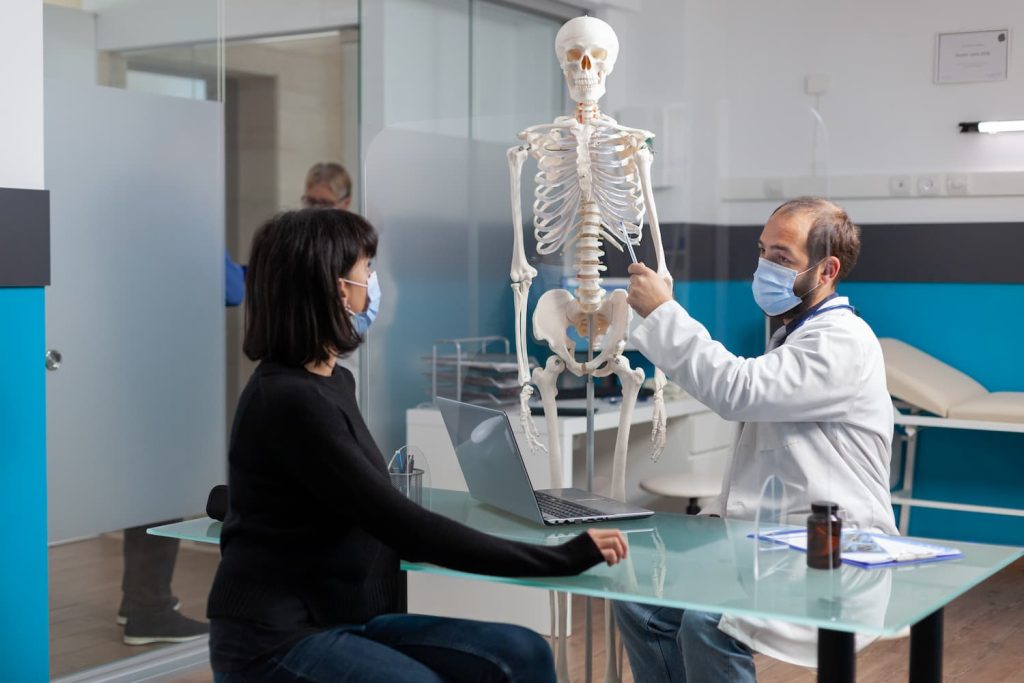
Bone health evolves throughout life, with peak density typically achieved in early adulthood before gradual changes and osteoporosis risk begin. Understanding your personal osteoporosis risk profile enables proactive steps toward maintaining strong, healthy bones. While some risk factors remain beyond our control, many can be modified through lifestyle choices and early intervention.
How Aging Impacts Osteoporosis Risk
Our bones constantly undergo remodeling – a natural process of breakdown and rebuilding. During younger years, formation exceeds breakdown, leading to increased bone density. This balance shifts with age, particularly after 50, when bone loss typically accelerates.
Women face rapid bone density changes during menopause, often losing significant bone mass within a few years. Men experience more gradual losses but aren’t immune to age-related bone density reduction. Understanding these natural progressions helps identify when additional support might benefit bone health.
Hormonal Influences
Hormonal balance plays a crucial role in maintaining bone strength. Estrogen helps protect female bone density, which explains the accelerated loss during menopause when levels decline rapidly. Male hormone changes, though more gradual, also impact bone health over time.
Thyroid conditions can significantly affect bone density. Both over- and under-active thyroid function may accelerate bone loss, making regular monitoring crucial for those with thyroid disorders.
Body Composition Factors
Frame size influences osteoporosis risk in surprising ways. Smaller-framed individuals typically have less bone mass to lose, potentially increasing their risk. However, excessive weight can mask bone loss while creating additional health challenges.
The relationship between muscle and bone strength offers opportunities for positive intervention. Regular weight-bearing activities stimulate bone formation, while muscle strength helps protect against falls and fractures.
Lifestyle Elements
Daily choices significantly impact long-term bone health. Physical activity patterns, particularly in youth and early adulthood, help determine peak bone mass. Regular movement throughout life maintains bone strength and balance skills.
Nutritional choices extend beyond calcium intake. While calcium remains crucial, vitamin D, protein, and other nutrients play vital roles in bone health. Queensland’s abundant sunshine offers natural vitamin D advantages, though careful sun exposure remains important.
Family and Medical History
Family patterns often provide early warning signs of potential bone health challenges. Previous fractures, particularly those occurring with minimal trauma, might indicate underlying bone weakness.
Certain medications and medical conditions can accelerate bone loss. Regular review of medication effects and monitoring of chronic conditions helps protect bone health.
Early Warning Signs
Physical changes might signal developing bone concerns:
- Height loss
- Posture changes
- Back pain
- Reduced grip strength
These subtle signals often appear before significant bone loss occurs, offering opportunities for early intervention.
Professional Assessment Benefits
Regular bone health evaluations help identify risks before problems develop. Modern assessment tools provide detailed information about bone density and fracture risk, enabling targeted intervention strategies.
Take Action Today
Protect Your Bone Health, Contact Metropol Doctors today!
At Metropol Doctors Carindale, we offer:
- Comprehensive bone health assessment
- Risk factor evaluation
- Prevention planning
- Regular monitoring
- Lifestyle guidance
Opening Hours:
Monday – Friday: 8:30 AM – 5:00 PM
Saturday: 9:00 AM – 12:00 PM
Frequently Asked Questions (FAQ)
At what age should bone density screening begin?
Recommendations vary based on risk factors, with testing often starting around menopause for women.
Can bone loss be reversed?
While complete reversal proves challenging, proper intervention can slow or stop progression.
How does exercise help bone health?
Weight-bearing activities stimulate bone formation while improving balance and muscle strength.