High-Risk Groups for Skin Cancer: Are You at Risk?
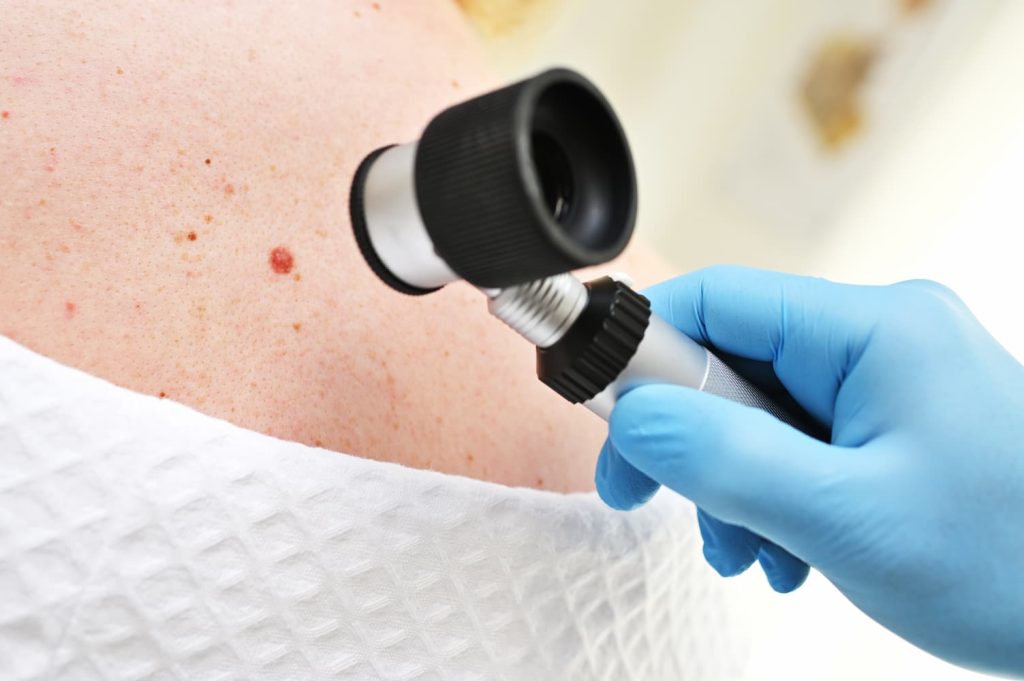
Understanding your personal skin cancer risk factors is crucial for prevention and early detection, especially in Queensland’s high-UV environment. Identifying whether you belong to a high-risk group helps determine appropriate screening frequencies and prevention strategies.
Understanding Risk Categories of Skin Cancer
Not everyone faces the same skin cancer risk. Various factors combine to determine your personal risk level. Understanding these factors helps you and your healthcare provider develop an appropriate monitoring and prevention strategy.
Physical Characteristics
Your natural features play a significant role in determining skin cancer risk. These inherited characteristics require special attention in sun protection and monitoring strategies.
High-Risk Features
Some physical traits naturally increase skin cancer susceptibility:
- Fair skin tends to burn or freckle easily, offers less natural protection against UV damage. Those with light-colored eyes and blonde or red hair typically have less melanin, the pigment that helps protect skin from UV radiation.
- Multiple or unusual moles require careful monitoring, as they can indicate increased melanoma risk. Regular professional assessment helps track any changes in these moles over time.
Lifestyle and Environmental Factors
Your daily activities and environment significantly impact skin cancer risk. Queensland residents face particular challenges due to high UV exposure levels throughout the year.
Occupational Exposure
Outdoor workers face increased risk due to cumulative sun exposure. This includes:
- Construction workers
- Gardeners and landscapers
- Postal workers
- Sports coaches
- Agricultural workers
Recreational Activities
Regular outdoor activities can increase risk, especially during peak UV hours:
- Beach activities
- Outdoor sports
- Gardening
- Cycling
- Walking
- Sunbathing and tanning
Medical History Considerations
Previous skin cancer diagnosis significantly increases the risk of developing subsequent skin cancers. Understanding this elevated risk helps emphasise the importance of regular monitoring.
A strong family history of skin cancer, particularly melanoma, increases personal risk. This genetic component makes regular professional screening crucial.
Older patients are also more prone to skin cancer, more regular check-ups are recommended for these patients.
Prevention Strategies for High-Risk Individuals
Creating effective barriers against UV radiation becomes crucial:
- Daily high-SPF sunscreen application
- Protective clothing choices
- Strategic activity timing
- Regular skin checks
- Professional monitoring
Professional Support at Metropol Doctors
Our comprehensive skin cancer screening program includes:
- Risk assessment
- Digital mole mapping
- Regular monitoring
- Prevention planning
- Early intervention
Take Action Today
Contact Metropol Doctors to learn more about our skin cancer services or schedule a comprehensive skin examination.
Opening Hours:
Monday – Friday: 8:30 AM – 5:00 PM
Saturday: 9:00 AM – 12:00 PM
Frequently Asked Questions (FAQ)
How often should high-risk individuals have skin checks?
Frequency varies based on individual risk factors, but many high-risk patients need checks every 3-6 months.
Can risk factors of skin cancer change over time?
Yes, both increasing and decreasing risks are possible through lifestyle changes and aging.