Family History and Skin Cancer: Why Early Detection Matters

Understanding your family history of skin cancer is crucial for effective prevention and early detection. For Queensland residents, where sun exposure levels are among the highest globally, knowing your genetic predisposition combines with environmental factors to create a comprehensive approach to skin health.
Genetic Risk Factors of Skin Cancer
Your family history provides valuable insights into your personal skin cancer risk. When close relatives have experienced skin cancer, particularly melanoma, your risk increases significantly. This genetic component doesn’t mean skin cancer is inevitable, but it does emphasize the importance of vigilant monitoring and prevention.
Types of Inherited Risk
Genetic Patterns
Inherited risk patterns help determine appropriate screening frequencies. Multiple factors influence your personal risk profile, including the number of affected family members, and their relationship with you plays a crucial role in risk assessment. First-degree relatives (parents, siblings, children) with a skin cancer history warrant closer attention to your own skin health.
Inherited Characteristics
Physical traits that run in families can affect skin cancer risk:
- Skin type and complexion
- Number and types of moles
- Freckle patterns
- Hair and eye color
- Skin reaction to sun exposure
Early Detection Strategies
Professional Monitoring
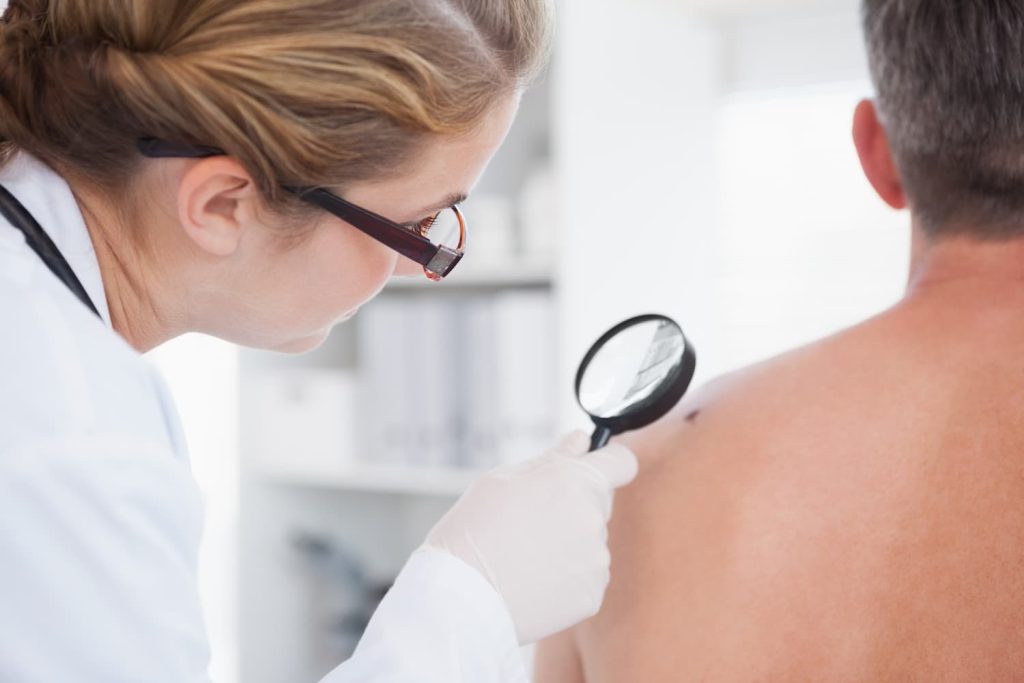
Regular professional skin checks become even more crucial with a family history. These checks should include comprehensive full-body examinations using advanced imaging technology to help track changes over time. Digital mapping of moles creates a baseline for future comparisons.
Self-Examination Techniques
Learning proper self-examination methods enables regular monitoring between professional visits:
- Monthly self-checks
- Partner assistance for hard-to-see areas
- Photography for documentation
- Systematic examination patterns
Prevention Approaches
Lifestyle Modifications
Family history awareness should prompt proactive prevention strategies. Awareness of your inherited risk factors allows for more targeted prevention approaches. This might include:
- Enhanced sun protection measures
- Lifestyle adjustments
- Regular health monitoring
- Stress management techniques
Professional Support at Metropol Doctors
Our comprehensive family history assessment for skin cancer includes:
- Detailed family history documentation
- Risk level evaluation
- Personalised screening schedule
- Prevention strategy development
- Ongoing monitoring and support
Book Your Appointment Today
Contact Metropol Doctors to learn more about our skin cancer services or schedule a comprehensive skin examination.
Opening Hours:
Monday – Friday: 8:30 AM – 5:00 PM
Saturday: 9:00 AM – 12:00 PM
Frequently Asked Questions (FAQ)
How does family history affect my skin cancer risk?
Family history can significantly increase risk, particularly with first-degree relatives affected.
Should children be screened differently with family history?
Yes, children with family history may need earlier and more frequent screenings.
Can genetic testing help determine my risk?
Genetic testing might be recommended in certain cases, particularly with a strong family history.