Different Types of Moles and Their Risk Levels: A Comprehensive Guide

Understanding your moles is crucial for early skin cancer detection. As part of our commitment to skin health at Metropol Doctors Carindale, we’ve created this comprehensive guide to help you identify and monitor different types of moles.
Common Types of Moles
Congenital Moles
These moles are present at birth or appear during early infancy:
- Appear in approximately 1-2% of newborns
- Can range from small to large
- Risk level varies with size
- Larger congenital moles require closer monitoring

Acquired Nevi
These are the most common type of moles that develop after birth:
- Typically appear before age 25
- Usually round or oval
- Uniform in colour
- Most adults have between 10-40 of these moles

Dysplastic Nevi (Atypical Moles)
These moles require careful monitoring:
- Irregular borders
- Multiple colours
- Larger than typical moles
- Having 10 or more increases melanoma risk by 12 times
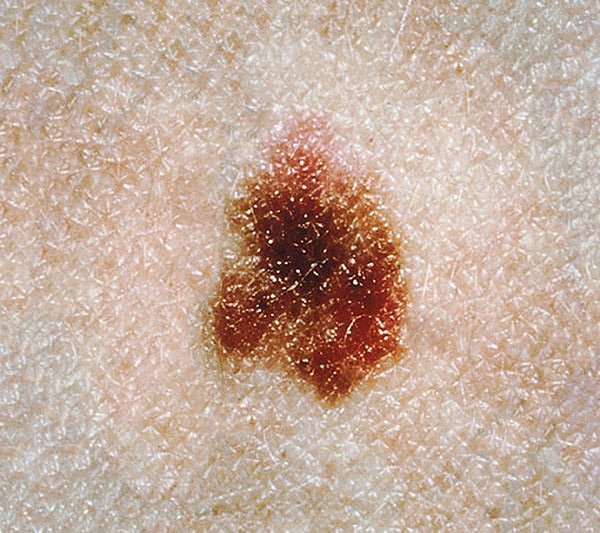
Risk Assessment Guide
High-Risk Characteristics
- More than 100 moles on the body
- Moles larger than 6mm in diameter
- Irregular borders or changing appearance
- Family history of melanoma
- Fair skin and freckling
The ABCDE Rule for Monitoring
Monitor your moles using these criteria:
- Asymmetry: Uneven shape
- Borders: Irregular or jagged edges
- Colour: Multiple colours or changes
- Diameter: Larger than 6mm
- Evolving: Changes in size, shape, or colour
Professional Screening Services
At Metropol Doctors, we offer:
- Comprehensive skin checks
- Digital dermoscopy
- Regular monitoring of suspicious moles
- Removal procedures when necessary
Prevention and Protection
Daily Sun Protection
- Use broad-spectrum sunscreen
- Wear protective clothing
- Avoid peak UV hours
- Regular self-examination
When to Seek Medical Attention
Schedule an appointment if you notice:
- New moles after age 25
- Changes in existing moles
- Moles that itch or bleed
- Unusual skin growths
Frequently Asked Questions (FAQ)
How often should I have my moles checked?
High-risk individuals should have checks every 3-6 months, while others should have annual screenings.
Can moles be removed if they worry me?
Yes, suspicious moles can be safely removed and examined through biopsy.
Book Your Skin Check Today
Don’t wait to have your moles assessed. Early detection is crucial for successful treatment. Contact Metropol Doctors to schedule your comprehensive skin cancer screening.