Psoriasis & Winter: Why Skin Conditions Worsen in Cold Months
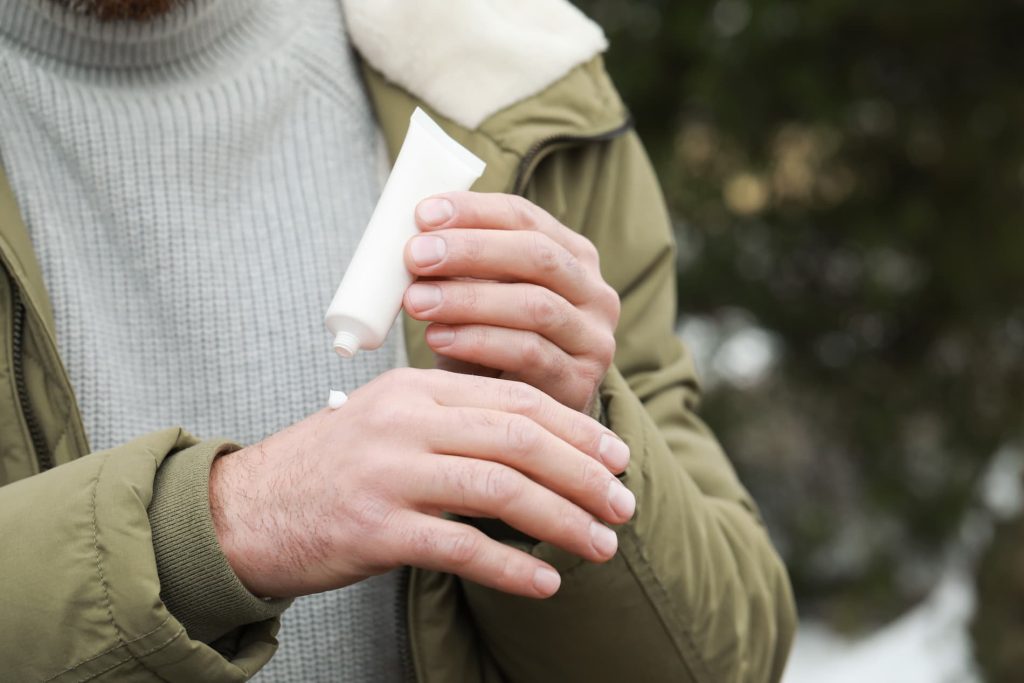
Does your psoriasis flare up during the Australian winter? This psoriasis & winter guide explains why cold months trigger skin conditions, shares science-backed management strategies, and helps Carindale residents with psoriasis maintain healthy skin year-round.
Why Psoriasis Worsens in Cold Weather
Psoriasis is an autoimmune condition affecting 5% of Australians, causing red, scaly, painful skin patches. Cold weather triggers flare-ups through several mechanisms:
- Reduced humidity: Australian winter humidity drops to 30-40%, drying out skin and worsening psoriasis scales
- Less sun exposure: UV rays naturally slow psoriasis cell growth; shorter winter days mean less protective sunlight
- Cold air irritation: Low temperatures damage the skin barrier, triggering immune responses
- Indoor heating: Artificial heating further dries skin, increasing inflammation
- Stress increases: Winter mood changes and seasonal pressure elevate stress, a known psoriasis trigger
- Delayed washing: Less frequent bathing in cold weather allows dead skin and irritants to accumulate
Seniors, people with autoimmune conditions, and those living in cooler regions of Queensland experience the strongest winter psoriasis symptoms.
Psoriasis & Winter: Key Differences from Regular Skin Dryness
Feature | Regular Dry Skin | Psoriasis Flare-Up |
Appearance | Flaky, rough patches | Red patches with thick silver scales |
Location | Anywhere, usually legs/hands | Elbows, knees, scalp, lower back |
Sensation | Itchy, uncomfortable | Painful, burning, intensely itchy |
Duration | Resolves with moisturiser | Persists for weeks without treatment |
Cause | Environmental dryness | Autoimmune inflammation + triggers |
Understanding this difference helps you choose the right treatment approach.
Practical Psoriasis Management During the Australian Winter
1. Moisturise Strategically (Not Just Frequently)
- Choose thick, ointment-based creams: Products with petrolatum, ceramides, or shea butter.
- Apply within 3 minutes after bathing: Locks in moisture while skin is damp
- Moisturise twice daily: Morning and evening, even if skin feels fine
- Use humectants: Ingredients like glycerin and hyaluronic acid draw moisture into skin
- Avoid fragrances: Irritants trigger psoriasis flare-ups
2. Modify Your Bathing Routine
- Use lukewarm water: Hot water strips natural oils and worsens inflammation
- Limit baths to 10 minutes: Longer exposure dries skin
- Choose gentle, non-foaming cleansers: Look for “psoriasis-friendly” or “sensitive skin” labels
- Add colloidal oatmeal: Soothes inflamed skin and reduces itching
- Pat dry gently: Never rub, use soft towels
3. Increase Indoor Humidity
Method | Humidity Boost | Best For |
Humidifier | +20-30% | Bedrooms, main living areas |
Houseplants | +5-10% | Small spaces |
Water bowls near the heating | +10% | Budget option |
HVAC humidifier | +15-25% | Whole-home solution |
Target 45-55% humidity: Ideal for psoriasis management
- Place humidifiers near beds: Maximum overnight benefit
- Clean humidifiers weekly: Prevents mould and bacteria buildup
4. Maximise Safe Sun Exposure
Even in winter, Queensland’s sun provides UV benefits:
- Sunlight exposure: for vitamin D and psoriasis relief
- 10-15 minutes daily: Expose affected areas without sunscreen
- Avoid sunburn: Stop if skin turns red or painful
- Talk to your GP: Some psoriasis medications increase sun sensitivity
5. Manage Winter Stress
Stress triggers 30-40% of psoriasis flare-ups:
- Practice deep breathing: 5 minutes daily reduces cortisol
- Maintain regular sleep: 7-9 hours supports immune balance
- Stay connected: Social support reduces isolation during winter
- Consider therapy: Mindfulness and CBT help manage chronic condition stress
6. Use Medicated Topical Treatments
- Vitamin D creams: Slow skin cell overgrowth (prescription from GP)
- Corticosteroid creams: Reduce inflammation (short-term use only)
- Salicylic acid: Removes thick scales gently
- Coal tar: Traditional treatment for scaling (available at Carindale pharmacies)
When Psoriasis & Winter Flare-Ups Need Medical Attention
Don’t wait if you experience:
- Psoriasis covering more than 10% of your body
- Painful, swollen joints (could indicate psoriatic arthritis)
- Signs of infection: yellow pus, fever, increasing redness
- Topical treatments failing after 2 weeks
- Sleep disruption from itching or pain
- Emotional distress affecting daily life
Professional Psoriasis Support at Metropol Doctors Carindale
Managing psoriasis & winter flare-ups requires personalised care. Our Carindale team offers specialised support:
GP Consultations
- Prescription topical treatments (vitamin D creams, corticosteroids)
- Assess for psoriatic arthritis or other complications
- Coordinate with dermatologists for severe cases
- Review medications that may worsen psoriasis
Skin Checks
- Annual full-body skin examinations
- Early detection of skin cancer (psoriasis patients have a higher risk with treatments)
- Monitoring for condition changes
Lifestyle & Nutrition Guidance
- Diet changes that reduce inflammation
- Vitamin D supplementation recommendations
- Stress management strategies
Book Your Psoriasis Winter Care Consultation
Psoriasis doesn’t have to control your winter. With the right psoriasis & winter management plan, Carindale residents can maintain healthy skin and reduce flare-ups even during cold months.
Call us on (07) 3343 0000 or contact us to book an appointment.
Our Carindale GP team creates personalised psoriasis treatment plans based on your condition type, severity, and lifestyle.
Medicare bulk billing is available to eligible patients.
Appointments available Monday to Saturday with flexible times for working families and seniors.
Don’t let winter psoriasis flare-ups isolate you. Get expert psoriasis support at Metropol Doctors Carindale and reclaim your skin health this season.